Comparing Efficiency and Impact for Indian B2B Fleets
As the shift towards sustainable mobility accelerates, the conversation around electric vehicles (EVs) versus internal combustion engine (ICE) vehicles has gained momentum, particularly in B2B sectors. Fleet operators, logistics companies, and corporates across India are re-evaluating their vehicle choices, looking for not only economic advantages but also operational efficiencies and environmental benefits.
In this article, we will delve into how the efficiency of electric vehicles compares to traditional internal combustion engine (ICE) vehicles, specifically focusing on the needs of B2B fleet managers. From fuel efficiency to operational savings, environmental impact, and the future of mobility, EVs present a compelling case for forward-thinking companies.
1. Understanding the Core Differences: EV vs ICE
At the heart of the difference between EVs and ICE vehicles is the source of their power:
- ICE Vehicles: Internal combustion engine vehicles run on fossil fuels (petrol, diesel) that combust inside the engine to generate power. This combustion process is inherently inefficient, leading to significant energy loss as heat.
- EVs: Electric vehicles are powered by electricity stored in batteries. They use electric motors, which are more efficient at converting energy into movement. This results in significantly less energy loss.
In terms of pure energy conversion, EVs are far more efficient. An electric vehicle can convert around 77% of the electrical energy from the grid into power at the wheels, while ICE vehicles only convert about 12-30% of the energy stored in fuel into motion.
2. Operational Efficiency: EV vs ICE
The operational efficiency of vehicles is influenced by several factors, including fuel consumption, maintenance requirements, and total cost of ownership.
2.1. Fuel Efficiency:
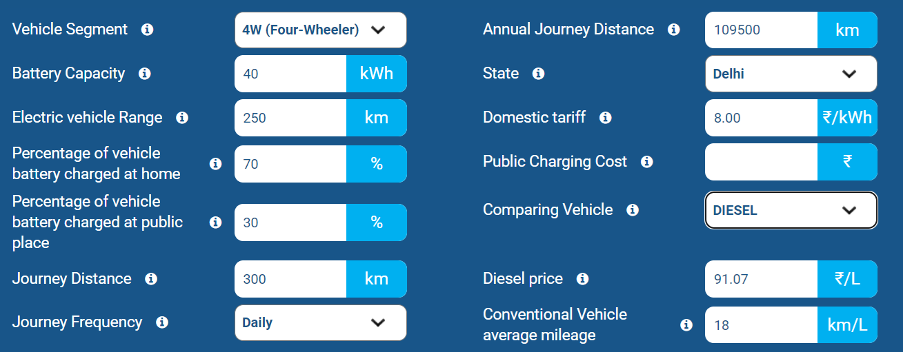
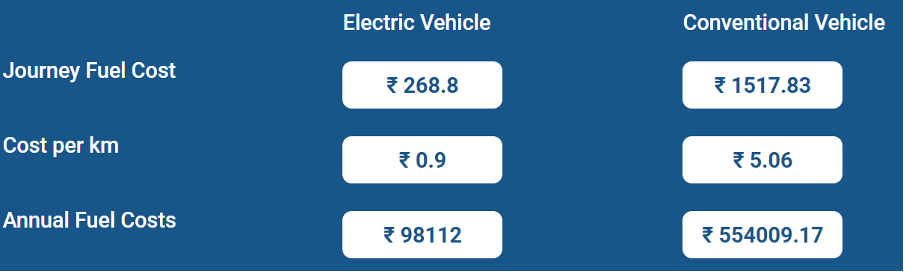
In terms of fuel efficiency, EVs outperform ICE vehicles in almost all conditions. For example, electric two-wheelers and three-wheelers are far more efficient per unit of energy consumed than their ICE counterparts. While an ICE-powered vehicle might require regular refueling with petrol or diesel, which fluctuates in price, EVs can be charged with electricity, which tends to be more stable and cheaper per kilometer traveled.
2.2. Maintenance Efficiency:
Maintenance is another significant area where EVs shine. ICE vehicles have numerous moving parts, such as pistons, crankshafts, and gearboxes, which are prone to wear and tear over time. EVs, in contrast, have fewer moving components, which means less frequent breakdowns and reduced service costs. This is particularly beneficial for B2B fleet operators who manage large numbers of vehicles.
2.3. Charging Infrastructure:
India has seen considerable progress in EV charging infrastructure development, with thousands of charging points being installed across cities and highways. With companies like Alt Mobility offering integrated asset management services, businesses now have access to fully managed EV fleets that include vehicle selection, leasing, service, repairs, and charging solutions, making the transition to EVs smoother than ever before.
2.4. Operational Support and Technology:
With advanced fleet management platforms like FleetOS, companies can gain deeper insights into their fleet performance. These platforms help optimize vehicle utilization, track efficiency, and schedule predictive maintenance, which helps ensure high uptime and smooth operations.
3. Environmental Impact: EV vs ICE
One of the most compelling reasons to choose EVs over ICE vehicles is their environmental impact, especially in a country like India, where air pollution is a major concern.
3.1. ICE Vehicles and Emissions:
ICE vehicles are a major source of greenhouse gas (GHG) emissions, contributing to air pollution and global warming. In cities like Delhi, Mumbai, and Bengaluru, vehicular emissions are among the top contributors to poor air quality. On average, a single ICE vehicle emits around 4.6 metric tons of carbon dioxide annually.
3.2. EVs and Cleaner Energy:
While it’s true that EVs are only as clean as the source of their electricity, even with coal-dominated grids, EVs still produce fewer emissions over their lifecycle compared to ICE vehicles. As India continues to invest in renewable energy sources like solar and wind, the carbon footprint of EVs will decrease further.
Moreover, EVs produce zero tailpipe emissions, reducing local air pollution, which is a significant benefit in crowded urban areas. The rise of electric two- and three-wheelers, particularly in last-mile delivery and public transport, is already helping to reduce urban pollution levels in cities like Pune and Chennai.
4. EV vs ICE Efficiency: Total Cost of Ownership
When it comes to total cost of ownership (TCO), EVs hold a clear advantage over ICE vehicles. Although EVs may have a higher initial purchase or lease cost, their lower operational expenses—such as reduced fuel and maintenance costs—mean that the TCO over several years is significantly lower.
For B2B fleet managers, this results in not just cost savings but also more predictable budgeting. Companies can avoid the volatility of fuel prices and minimize unexpected repair costs, which are more common with ICE vehicles. Additionally, with advanced fleet management solutions like Alt Mobility’s FleetOS, businesses can further reduce downtime and optimize fleet efficiency.
5. EV vs ICE in India: Market Dynamics and Trends
For businesses operating in India, the decision to switch from ICE to EV fleets involves considering several factors:
- Government Policies and Incentives:
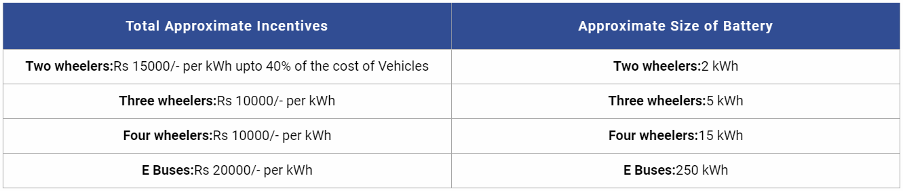
The Indian government has rolled out several initiatives to promote EV adoption. Programs like FAME (Faster Adoption and Manufacturing of Hybrid and Electric vehicles) and state-level subsidies provide financial incentives for businesses investing in EV fleets. Additionally, the government has set ambitious targets for EV penetration, aiming to electrify a significant portion of public transport and commercial vehicles by 2030.
- Cost Savings in Fleet Operations:
With fuel prices in India being volatile and maintenance costs rising for ICE vehicles, many businesses are realizing that EVs offer better cost-efficiency in the long run. For example, companies that switch to electric three-wheelers for deliveries are already seeing reductions in fuel and maintenance costs, allowing for more competitive pricing and increased profitability.
- Fleet Management Solutions for EVs:
B2B companies that manage large fleets face the challenge of optimizing vehicle performance and uptime. With integrated EV asset management solutions like FleetOS, offered by Alt Mobility, businesses can ensure high vehicle uptime through real-time fleet monitoring, predictive maintenance, and optimized charging schedules. This makes managing EV fleets not only feasible but highly efficient.
India is at a critical juncture in its transition from ICE to EVs. The Indian government has set ambitious targets for EV adoption, aiming for 30% of all vehicles to be electric by 2030. Incentive programs like FAME II (Faster Adoption and Manufacturing of Hybrid and Electric Vehicles) are making it easier for businesses to switch to electric fleets by offering subsidies and tax benefits.
In India, EV adoption is particularly growing in the following segments:
- Two-Wheelers: Electric scooters and motorcycles are becoming popular for personal use and last-mile delivery services.
- Three-Wheelers: E-rickshaws and electric three-wheelers are gaining traction in the transportation and logistics sectors.
- Four-Wheelers: Electric cars and commercial vehicles are increasingly used by ride-hailing companies, corporates, and logistics businesses.
As battery costs decrease and charging infrastructure expands, the cost of owning and operating an EV in India is becoming more competitive with ICE vehicles. The development of robust infrastructure, coupled with government incentives, makes now the ideal time for B2B companies to invest in electric fleets.
6. The Road Ahead: EVs as the Future of B2B Fleets in India
The trend towards electrification in India is undeniable. With a growing range of electric two, three, and four-wheeler models, B2B companies now have more options than ever to build efficient, sustainable fleets. As the government continues to push for clean energy and EV-friendly policies, and with companies like Alt Mobility providing integrated solutions, the shift towards electric mobility will only accelerate.
For corporates and fleet operators, the question is no longer whether to make the switch but how quickly they can do so to capitalize on the efficiency and environmental benefits of EVs.
FAQs on EV vs ICE Vehicles
- How efficient are EVs compared to ICE vehicles?
EVs are significantly more efficient, converting over 77% of the electrical energy into movement, whereas ICE vehicles convert only 12-30% of energy from fuel into motion. - Are EVs cheaper to maintain than ICE vehicles?
Yes, EVs require much less maintenance due to fewer moving parts and no need for oil changes or engine repairs. - Do EVs have a lower total cost of ownership than ICE vehicles?
Yes, although EVs may have a higher upfront cost, they offer lower fuel and maintenance expenses, resulting in a lower total cost of ownership over time. - What is the environmental impact of EVs compared to ICE vehicles?
EVs have zero tailpipe emissions and a lower overall carbon footprint, especially as India’s electricity grid becomes greener with more renewable energy sources. - How does EV charging infrastructure in India compare to traditional refueling?
India is rapidly expanding its EV charging infrastructure, with more fast-charging stations being added every year, making charging more convenient for fleet operations.
What government incentives are available for EV adoption in India?
The Indian government offers incentives under programs like FAME II, providing subsidies for electric vehicle purchases and tax benefits for businesses adopting EV fleets.