Blog

  • Three Wheeler EV Leasing: A Smart Option for Micromobility Businesses

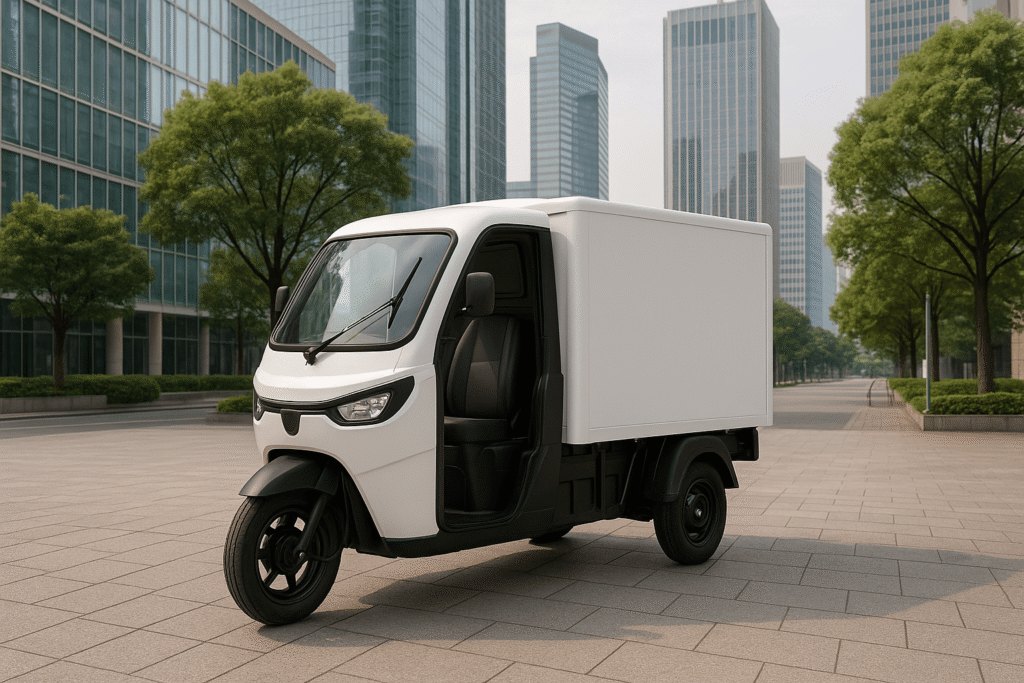
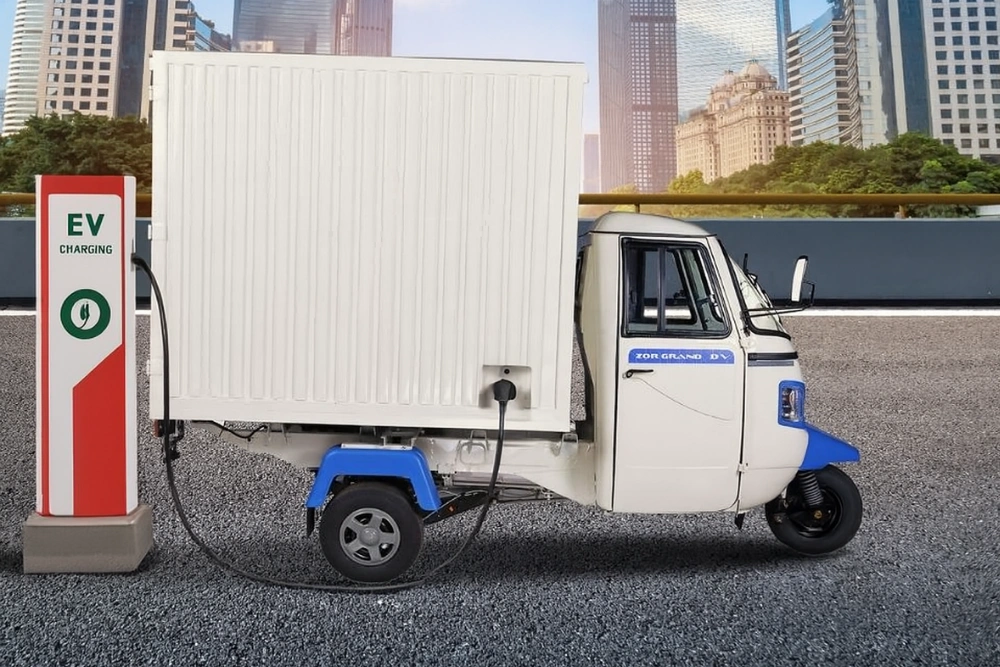
    In the rapidly evolving world of urban transport, three-wheeler EV leasing has emerged as one of the smartest choices for micromobility businesses. By combining the advantages of EV leasing with the efficiency of a three-wheeler EV, companies can lower costs, reduce risks, and scale their fleets with ease. 

    For businesses engaged in last-mile delivery, ride-sharing, or goods movement, leasing offers a way to adopt clean and affordable mobility solutions without heavy upfront investment.

    This blog explores why leasing a three-wheeler EV is a game-changer, how it works, the benefits for businesses, real-world examples, and the role of companies like Alt-Mobility in shaping the future of electric mobility.

    The Market Context: Why Three-Wheeler EVs Matter?

    India has become the global leader in electric three-wheeler adoption. According to the International Energy Agency, sales of three-wheeler EVs crossed 700,000 units in 2024, marking a 20% rise from the previous year. 

    The reasons for this surge are clear. The operating cost of an electric three-wheeler is nearly five to six times lower than its internal combustion counterpart. Studies show that drivers save ₹250–₹300 daily by switching to an EV, thanks to drastically reduced fuel and maintenance expenses. 

    Add to this the strong government push, from incentives under FAME II to state-level tax exemptions and subsidies, and it is no surprise that businesses are looking at electric vehicle leases as a practical route to adoption.

    What is Three Wheeler EV Leasing?

    At its core, three-wheeler EV leasing is a flexible financing model that allows businesses or drivers to use electric three-wheelers for a fixed monthly rental instead of purchasing them outright.

    Here’s how it works:

    • Businesses sign a leasing contract with a provider such as Alt-Mobility.
    • The monthly rental covers not just the use of the vehicle but often also insurance, registration, and maintenance.
    • Leasing terms are flexible, ranging from 12 months to several years, allowing operators to scale their fleet as demand grows.
    • At the end of the lease, companies may return the vehicle, upgrade to a newer model, or extend the agreement.

    This model removes the burden of large upfront capital investment and shifts ownership risks to the leasing company.

    Key Benefits of EV Leasing for Micromobility

    Financial Efficiency

    Leasing transforms capital expenditure (CAPEX) into predictable operating expenditure (OPEX). Businesses can conserve cash flow, avoid large loans, and still expand their fleet quickly.

    Reduced Risk and Maintenance Costs

    Since the lease package often includes insurance and maintenance, the risks of vehicle breakdowns and unexpected expenses are minimized. Businesses can focus on operations instead of worrying about servicing.

    Access to the Latest Technology

    Through EV leasing, operators always have access to the latest three-wheeler EV models, ensuring better efficiency, safety, and reliability. Leasing contracts make it easy to upgrade without a long-term commitment.

    Scalability and Flexibility

    Micromobility businesses often face fluctuating demand. Leasing makes it easy to scale fleets up or down based on requirements, avoiding idle assets and unnecessary costs.

    Sustainability and Branding Advantage

    Switching to electric vehicle leases strengthens a company’s sustainability credentials. Consumers increasingly prefer businesses that operate green fleets, and adopting leased EVs is a practical way to align with this demand.

    How Alt-Mobility is Transforming EV Leasing?

    As one of India’s pioneers in sustainable fleet solutions, Alt-Mobility plays a key role in enabling businesses to transition smoothly to electric mobility. Their offerings go beyond just electric vehicle leases. With Alt-Mobility, clients benefit from:

    • All-inclusive leasing packages covering registration, insurance, and maintenance
    • FleetOS platform for real-time tracking, predictive maintenance, and data analytics
    • 24/7 support ensuring maximum uptime for fleet operators
    • Pan-India presence allows businesses to scale seamlessly across geographies
    • Quick onboarding process that delivers vehicles in just a few steps

    By combining leasing with technology and service, Alt-Mobility ensures that businesses unlock not just cost savings but also operational efficiency and long-term sustainability.

    Policy Support and Government Incentives

    India’s push for EV adoption is strongly backed by government policies. The FAME II scheme, state EV policies, and Production Linked Incentive (PLI) programs offer subsidies, tax waivers, and benefits for electric vehicles. For instance: 

    • States like Telangana and Uttar Pradesh provide tax exemptions, reduced registration fees, and direct subsidies on electric three-wheelers.
    • Financing models are being promoted under public-private partnerships to accelerate EV leasing adoption.
    • Several states encourage leasing programs specifically for last-mile delivery operators and gig workers, helping them overcome the upfront cost barrier.

    These policies make three-wheeler EV leasing an even more compelling option for micromobility businesses.

    The Road Ahead: From Adoption to Action

    The future of mobility is not just about adopting EVs; it is about creating smarter, more sustainable systems that deliver real impact. Leasing models will play a critical role in this transformation by bridging the gap between affordability and accessibility.

    For micromobility businesses, success will depend on choosing reliable partners, leveraging EV leasing, and integrating smart fleet management systems. Those who act early will capture market share, reduce costs, and build stronger customer loyalty.

    Conclusion

    The case for three-wheeler EV leasing is clear: it reduces financial barriers, offers flexibility, ensures access to the latest technology, and aligns businesses with sustainability goals. Through affordable leasing models like integrated solutions from Alt-Mobility, micromobility operators now have a practical pathway to electrification.

    In a market where efficiency and agility define success, EV leasing isn’t just an option; it is the smarter way forward. For businesses looking to scale sustainably, an electric car lease or electric vehicle lease tailored to three-wheelers is the key to unlocking competitive advantage in the new era of mobility.

  • How to Choose the Right Car Leasing Company in India for 2025

    Car ownership in India is no longer the only path to mobility. With rising costs, fast-changing vehicle technology, and the growing adoption of electric vehicles (EVs), leasing has become a practical alternative for both individuals and businesses. By 2025, the appeal of leasing lies in its promise of flexibility, predictable costs, and hassle-free usage.

    Choosing the best car leasing company in India is about more than finding the lowest monthly rental. It requires evaluating the provider’s fleet range, transparency, flexibility, service quality, and EV readiness. 

    In this blog, we’ll cover why car leasing is growing in India, the role of EVs in shaping this shift, the key factors to consider when selecting a vehicle leasing company in India, and how to compare the best car leasing companies in India.

    Why Car Leasing is Growing in India & the Role of EVs

    Car leasing is gaining momentum in India because it directly addresses both financial and lifestyle needs. For individuals, leasing avoids the high upfront cost of buying, eliminates the hassle of resale, and provides predictable monthly expenses. Packages often include insurance, maintenance, and roadside assistance, making mobility as seamless as a subscription service.

    A major driver of leasing growth in 2025 is the rise of electric vehicles. With government incentives, improved charging infrastructure, and lower running costs, EVs are becoming more attractive to Indian consumers. However, the relatively high purchase price of EVs still acts as a barrier. Here, EV leasing companies in India bridge the gap, giving users access to EVs without large upfront commitments.

    For businesses, leasing supports employee mobility without locking capital into depreciating assets. It also allows companies to manage predictable monthly budgets and enjoy tax efficiencies, all while ensuring their teams have access to well-maintained vehicles.

    Overall, leasing growth in India is about more than affordability. It represents a shift toward flexibility, sustainability, and future-proof mobility, aligning with the way consumers are rethinking transportation.

    Key Factors to Consider When Choosing a Car Leasing Company in India

    Fleet Range & EV Options

    A good car leasing company should offer a wide range of vehicles. Look for diversity in fleet options, from hatchbacks and sedans to SUVs, as well as a growing selection of EVs. The demand for electric mobility is only set to rise, and the best car leasing companies in India are those already expanding their EV portfolios.  A limited fleet can restrict your choices as your needs evolve.

    Pricing Models & Transparency

    Transparent pricing is critical. Monthly lease rentals usually include depreciation, interest, insurance, and services, but hidden charges can increase costs. A reliable provider should clearly outline what is covered and provide flexibility in structuring contracts. Comparing different car leasing services based on transparency helps ensure you don’t face surprises later. The best car leasing company is not always the cheapest; it’s the one that delivers consistent value without surprises.

    Lease Flexibility & Customization

    Every user’s lease requirements are different. Some individuals may require a short-term arrangement, while businesses may want the option to scale up or down as teams change. The best car leasing company in India offers customizable contracts, options to swap or upgrade vehicles, and terms that adapt to user needs. Providers that lock you into rigid contracts limit the very flexibility leasing is meant to provide.

    Maintenance & Support Services

    Bundled insurance, routine maintenance, and roadside assistance should be part of the package. The value of after-sales support cannot be overstated; it’s what separates average providers from the best car leasing companies in India. Before choosing, check whether the company provides nationwide service coverage and quick response times.

    Technology & Digital Experience

    In 2025, technology is a major differentiator. Leading vehicle leasing companies in India now provide app-based booking, digital payments, and real-time vehicle health monitoring. A seamless digital experience makes leasing not only convenient but also more reliable, since users can track servicing and billing with ease.

    Reputation, Reviews, and Network

    Finally, reputation matters. A car leasing company in India with a strong track record, positive reviews, and nationwide presence is more likely to provide consistent service. Corporate tie-ups and long-standing client relationships are signals of credibility. Look for feedback from both individual and business users before committing. Providers with a strong brand reputation signal that they will stand by you throughout the lease period.

    Comparing the Best Car Leasing Companies in India

    The Indian market now has multiple players offering leasing solutions, but they don’t all compete on the same strengths. 

    Here’s how the best car leasing companies often differentiate themselves:

    1. Affordability vs. Premium Service

    Some companies focus heavily on affordability, attracting individuals with low monthly rentals and basic maintenance packages. These are often ideal for first-time leaders who want a hassle-free entry into the model. On the other end of the spectrum are premium providers, who position themselves with wide EV fleets, flexible upgrades, and white-glove support, better suited for corporates or users willing to pay for convenience.

    2. Traditional vs. EV-Focused Models

    Legacy vehicle leasing companies in India often offer a wider range of conventional cars, giving users variety at scale. In contrast, EV leasing companies in India differentiate with charging infrastructure partnerships, tax benefits, and green branding. The trade-off: legacy firms win on breadth and availability, while EV specialists appeal to eco-conscious drivers or corporates aiming for sustainability targets. EV leasing is a strong choice for users ready to transition to electric mobility.

    3. Digital-First vs. Legacy Experience

    As highlighted earlier, leasing firms provide end-to-end digital experiences, online booking, app-based billing, and easy upgrades, making the process faster and more transparent. Older providers with paper-based processes may seem slower, but they often offer stronger offline support and relationship management. For tech-savvy individuals and businesses that value speed and visibility, a digital-first provider stands out. For the traditional users, the human touch still carries weight.

    4. Established Reputation vs. New Entrants

    Long-standing vehicle leasing companies in India often win on trust, nationwide networks, and corporate tie-ups. However, newer entrants bring innovation, such as short-term EV subscriptions or unique flexibility models, appealing to users seeking something beyond the conventional. 

    The user impact is reliability and coverage vs. flexibility and novelty. If stability and nationwide reach matter, the veterans lead. If experimentation and flexibility are your priority, the challengers bring fresh value.

    Ultimately, the best car leasing company in India is not a one-size-fits-all choice. If you’re an individual driver prioritizing affordability and ease, you may value pricing and digital convenience most. If you’re a business scaling fast, you’ll look more closely at fleet variety, service coverage, and EV readiness. 

    Comparing providers across these dimensions ensures you select a company that aligns with your financial goals and mobility priorities.

    Conclusion

    Car leasing in India has matured into a smart mobility solution, balancing financial efficiency, convenience, and sustainability. In 2025, it is especially relevant for those who value flexibility over ownership and want access to the latest vehicles without long-term commitment.

    Selecting the best car leasing company in India comes down to careful evaluation: fleet diversity, transparent pricing, flexible contracts, service quality, and EV-readiness. A provider that aligns with your needs will not only simplify mobility today but also keep you ready for tomorrow’s evolving transport landscape.

  • EV Leasing vs. Buying: Which Option Fits Indian Drivers Best?

    Electric vehicles have steadily moved from curiosity to consideration, with majority early concerns around Charging, Range, and Reliability largely addressed by OEMs. Vehicle Sales have been on the rise, month-on-month, driven primarily by Metros and Tier-1 cities.

    At the same time, an increasing number of urban consumers are warming up to the idea of choosing EV as their next car.

    The appeal is clear: lower running costs per kilometer, zero tailpipe emissions, and the satisfaction of making a responsible, environmentally conscious choice

    That leaves just one big question: should you lease an EV or buy one?

    Both options offer distinct advantages. In this blog, we’ll try to decode the key aspects of EV leasing versus EV buying for Indian drivers, exploring the financial, practical, and lifestyle factors involved.

    Whether you’re considering an electric car lease or investing in full ownership through traditional financing / car loans from Banks and NBFCs., understanding these options could help you make a confident, future-ready decision.

    Understanding EV Leasing: How does EV leasing work in India

    Leasing an EV means using the vehicle for a fixed period, usually between two to five years, in exchange for a monthly fee. At the end of the term, you can return the vehicle, renew the lease, or, in some cases, buy the car at a residual value. 

    In India, EV leasing is steadily gaining acceptance beyond corporate fleets and into personal mobility. Several Financial Institutions now offer flexible lease models with distinct inclusions, tenure and downpayment options with add-ons like insurance, maintenance, and servicing often bundled into a single predictable monthly payment.

    This ease of use is especially valuable in a category like EVs, where technology is rapidly evolving and resale values are still maturing. 

    Broadly, EV leasing models can be categorized into:

    1. Operating lease, where the lessor retains ownership and the lessee pays for usage.
    2. Finance lease, which is closer to hire purchase, with an option to own at the end.

    Let’s look at the pros and cons of leasing electric vehicles in India.  

    EV Leasing Benefits

    Lower Upfront Costs

    Leasing significantly lowers the barrier to entry. Most leasing models either waive-off the down payment or keep it minimal as compared to conventional vehicle financing, making it easier for customers or drivers to access an EV without a large one-time expense.

    For many first-time EV users or urban professionals, this reduced initial outlay is a strong motivator to choose leasing over traditional buying.

    Predictable Monthly Expenses

    A standout advantage of EV leasing is cost predictability. Monthly lease payments are fixed and often include bundled services like insurance, routine maintenance, and roadside assistance.

    This not only helps in terms of budgeting or financial planning but also reduces the anxiety that many first-time EV buyers have around unanticipated repair costs or battery degradation over time.

    Flexibility to Upgrade

    Leasing also offers a way to stay abreast with the fast-moving EV landscape. With EV technology fast evolving, from higher battery Ranges and Charging Times to smarter Infotainment, leasing gives users the option to switch models every few years without worrying about resale value.

    Whether it’s a facelift of the same vehicle model or an entirely different generation, leasing makes it easier to stay up to date. 

    Minimal Long-Term Risk

    And then there’s simplicity. For city dwellers or working professionals, leasing eliminates the administrative load of managing registrations, insurance renewals, or resale negotiations.

    It makes the experience of driving an electric vehicle hassle-free, even if you’re not yet ready to make a long-term commitment.

    Battery life, Resale value, and future market demand are still evolving areas for EVs in India. Leasing shields you from these unknowns. Since you’re not the long-term owner, concerns about depreciation or battery degradation fall on the leasing provider, not on you.

    In Closing: EV leasing vs EV buying

    Both leasing and buying move you in the same direction, towards a quieter, cleaner, lower-emission future. But the road you choose will shape your experience of getting there.

    Leasing is for those who prefer lightness, fewer strings attached, fewer risks and fewer responsibilities. It’s mobility on demand, with boundaries that suit short- to mid-term needs. Buying is for those who prefer depth, to commit, to own, to settle into the rhythm of a vehicle over time. It asks for more upfront but pays off in long-term value and autonomy.

    There’s no universal right answer. Only the one that fits where you are, and how you move through the world. And whichever route you take, you’re helping move India towards a cleaner, smarter, and more sustainable tomorrow.

    So, consider your patterns. Weigh your plans. And whether you choose to lease or buy, take that step. Because every EV on the road is part of a bigger shift, and it starts with the decision in front of you.

  • EV Leasing for Employees: A Sustainable Step for Companies

    In the corporate ecosystem of 2025, sustainability is more than a buzzword. It is an imperative for businesses. As climate concerns rise across the globe, brands are increasingly becoming conscious of their carbon footprint. In fact, not just MNCs, but even Indian companies have also started setting ESG mandates and carbon emission reduction targets.  

    As State and Central Governments in India continue pushing for electrification, laying out a clear roadmap with segment-wise targets to be achieved by 2030, mid-to-large scale organizations are rethinking their logistics as well as transportation strategy, in terms of goods as well as people. 

    Being the fourth largest economy, and one of the fastest in terms of growth, India is witnessing a year-on-year surge in both blue and white collar workforce, across booming sectors like FMCG, Retail, eCommerce and ITeS. 

    These employees need to commute to and from the office via cars, buses, and other modes of transport. And the sheer impact of their commute on the environment adds up to reach damaging levels. And hence, the push for zero-emission vehicles or EVs that could help address the menace of not just vehicular pollution, but also bring down the transportation costs substantially due their positive TCO.   Traditionally, the high upfront cost of electric vehicles has been the biggest showstopper for  companies looking to electrify their fleets. But today, thanks to new-age financing models like EV Leasing, more and more businesses are embracing the shift from ICE to Electric fleets for their Employee Transportation Services (ETS).

    What is EV Leasing for Employees? 

    EV leasing for employees is a structured program where companies provide electric vehicles to their employees on a lease model instead of an outright purchase, either for daily commute or personal use. 

    This model is enabled through trusted and certified EV leasing companies like ALT Mobility, who not only help companies enhance workplace mobility but also assist them in positioning themselves as environmentally responsible entities.

    The model can be further classified into two distinct formats: 

    1. Corporate Commute Leasing: Companies lease a fleet of electric cars and buses that are used for employee transportation to and from the office. 
    2. Personal Use Leasing (Company Scheme): In this format, employees are given the option to lease electric vehicles under available company-facilitated plans. This format also comes with integrated maintenance packages, subsidized Lease Rentals, and long-term tax savings. 

    For companies looking to lower their carbon footprint while also offering modern employee benefits in keeping up with the times, this comes as the perfect opportunity.

    EV Leasing for Employee Commutes: Much-needed Transition 

    Given India’s pace of economic growth and the sheer size of its sectoral workforce, daily commuting for employees is understandably a big decision. Shuttles, cabs, and staff buses that run on fossil fuels are not only expensive but also environmentally unsustainable. 

    Hence, shifting to electric mobility can dramatically reduce both carbon emissions and operational costs for companies.

    Personal EV Leasing Schemes for Employees

    Apart from electric shuttles, buses and cabs for workplace commute, companies are also offering green mobility benefits to employees. And they’re doing this through personal EV leasing schemes, which offer employees the opportunity to lease Electric 2-wheelers and electric cars for personal use (at either subsidized or ‘zero’ upfront cost). 

    Why Does Personal EV Leasing Make Sense? 

    • Affordability or Ease of Access: Employees do not have to make high upfront payments, which is often the case when one goes for a conventional vehicle loan from traditional Banks or NBFCs.
    • Offers Tax Savings: EV leasing under company scheme can be a great Tax saving opportunity for employees. Although there are multiple factors involved here, employees typically can claim tiered tax exemptions against monthly lease rental, fuel costs, maintenance or service expenses and even vehicle insurance.  
    • Flexible Options: Based on factors like job level or seniority, tenure at the company, vehicle eligibility etc., EV leasing plans can be customized to suit individual needs. 
    • Employee Incentivisation: EV leasing can also work well as an employee perk or as a replacement for bonuses or car allowances.

    With the recent spike in the willingness to lead a sustainable lifestyle, EVs are an attractive option for those looking for environmentally friendly commuting options. 

    And when offered by the employer, it becomes an even more enticing option as employees reduce their fuel expenses and tax liabilities, all this while being responsible by choosing zero-emission vehicles for their daily commute.  

    What Role do EV Leasing Companies Play? 

    Implementing such a shift in your company’s operations requires niche expertise, and that’s where EV Leasing Companies like ALT Mobility come in. But how to pick the perfect EV leasing partner for your company? Here’s how. 

    What makes a good EV Leasing Partner? 

    • They offer a wide range of vehicles and brands to choose from – electric scooters, cars as well as Buses. 
    • They offer flexibility in terms of leasing tenure, maintenance plans, add-ons, and security deposits. 
    • Their plans operate on the full-service model, covering things like vehicle maintenance, battery health, insurance, part replacements, etc. 
    • They offer modern smart tech-integration features such as sustainability reporting, real-time vehicle tracking, usage data, and driver analytics etc. 

    EV Rentals for Temporary Needs 

    Not all mobility needs are permanent. From new joinee transportation to temporary project-based deployments or inter-city travel, EV rentals for employees can serve short-term requirements without long-term commitment.

    These rental EVs can be booked for days, weeks, or months, just like a subscription. Employees working on client sites, off-site manufacturing units, or project-based contracts can benefit from this flexible access. 

    It also allows companies to test adoption rates or check commercial viability before committing to full-fledged lease schemes.

    What about Charging Integration and Infrastructure Support? 

    Before investing in EV leasing schemes for employees, companies have a major concern. It is about infrastructure support, particularly charging integration. So, how does an EV leasing partner address this issue? By offering: 

    • Charging points at setups as per requirement, be it in the office, corporate sites, or employee residences. 
    • Tie-ups with leading CPOs (Charging Point Operators), which offer access to a robust charging infrastructure at all times. 
    • Home charger installation for personal leasing for employees. 
    • EV roaming partnerships that allow access to public charging networks or even preferential access and pricing.

    Sustainability in Focus

    In today’s corporate ecosystem, offering electric mobility solutions could be a strategic business decision. Companies that are opting for EV leasing for employee transportation are not just cutting costs or reducing carbon emissions, but they’re positioning themselves as progressive and responsible corporate citizens. 

    In short, opting for EV leasing solutions can help your company in: 

    • Aligning with global sustainability goals like the UNSDG-13, i.e., Climate Action. 
    • Demonstrating a clear and visible commitment to green and sustainability practices. 
    • Reducing employee transportation costs while also providing employees with access to the latest EV tech and tax-saving options. 
    • Leverage incentives or subsidies that are offered by the various States as well as the Central government for promoting clean mobility. 

    Drive Meaningful Change with ALT Mobility

    For forward-thinking companies, EV leasing for employee transportation is a tangible and a logical step forward. With tailored EV leasing solutions, robust service support, and a strong focus on data-driven efficiency, ALT Mobility is here to make this transition simple, seamless, and impactful. 

    So, if you’re a business leader looking to champion sustainable practices, today’s the time to drive change with electric vehicle leasing. Visit the ALT Mobility website today.

  • Why EV Fleet Leasing is the Future of Last-Mile Delivery in India?

    Why EV Fleet Leasing is the Future of Last-Mile Delivery in India?

    In the fast-evolving world of commerce, convenience is king, and delivery timelines are its sharpest weapon. From e-commerce to food tech, India’s consumption story is increasingly being written in the language of doorstep logistics. But behind every swift delivery is a complex chain struggling with one central challenge: how to make the last mile fast, efficient and cost-effective. 

    As cities grapple with rising emissions and logistics companies face cost pressures, the search for efficient, scalable mobility solutions is intensifying. Electric Vehicles (EVs) are rapidly gaining traction as the preferred choice for last-mile deliveries and intra-city logistics  owing to their cost and environmental benefits. However, widespread adoption still faces key barriers, such as range anxiety, upfront costs, charging infrastructure, maintenance and reliability-related apprehensions. 

    In view of the above, EV fleet leasing is emerging as a game-changing model, one that unlocks the benefits of electric mobility without the burden of ownership. For India’s last-mile delivery sector, it isn’t just a cost play or a green commitment. It’s a structural shift that could redefine how goods move within the city. 

    The Rise of Electric Vehicles in India’s Logistics’ Sector

    India’s commitment to transitioning towards sustainable mobility is well underway. EV momentum in the country is powered by strong policy backing. The FAME initiatives have focused on demand incentives and public charging infrastructure. Complementing this is the Production Linked Incentive (PLI) scheme, which is encouraging domestic manufacturing of EV components and advanced batteries. Together with state-level EV policies, these efforts are laying the groundwork for a robust electric mobility ecosystem.

    Within this favorable environment for electric vehicles in India, the logistics and delivery sector stands out as  the obvious choice for electrification. Urban routes are typically short-distance, predictable, and repetitive, making them a natural fit for electric two-wheelers, three-wheelers, and light commercial EVs. Intra-city delivery networks, especially, are emerging as the ideal launchpad for EV adoption, with limited daily range requirements and predictable routing minimizing concerns around range anxiety.

    Moreover, fleet electrification can directly reduce operational costs while supporting India’s decarbonization goals. Inter-city electrification, involving larger commercial vehicles, is also advancing steadily as advancements in battery technology and charging infrastructure along the highways continue to reduce cost and performance barriers.

    EV adoption in the logistics sector is no longer just about being efficient; it’s about being compliant, future-ready, and environmentally responsible. 

    The Hidden Costs of Traditional Vehicle Ownership

    While electric vehicles offer clear long-term savings and environmental advantages, maximizing their value requires strategic asset management. For many small and mid-sized logistics operators, traditional ownership models often fall short in this regard, not because EVs are difficult to manage, but because optimizing uptime, performance, and cost-efficiency needs dedicated focus and resources.

    This is where new-age EV leasing models step in. Designed around the needs of high-utilization fleets, these models don’t just simplify access; they also ensure smoother, smarter operations. By bundling services like maintenance, insurance, and real-time telematics into a single plan, leasing companies help businesses manage Total Cost of Ownership (TCO) more effectively. Integrated asset monitoring, predictive maintenance alerts, and battery health tracking all contribute to keeping vehicles healthy, on the road longer, minimizing breakdowns, and ensuring higher uptime.

    In essence, EV leasing today is not just about affordability; it’s about ensuring operational continuity, better asset performance, and hassle-free scaling. It transforms ownership into a managed service, tailored for the fast-paced demands of last-mile logistics.

    EV Fleet Leasing: A Smarter Model for EV Adoption

    Simply put, EV leasing eliminates the need for large upfront investments and long-term asset commitments. In a leasing model, businesses gain access to a ready-to-deploy electric vehicle fleet for a fixed monthly fee, often bundled with maintenance, insurance, telematics, and more.

    Key benefits of EV leasing include:

    • No CapEx: Leasing eliminates the need for large upfront investments in purchasing EVs. For many logistics businesses, especially small and mid-sized operators, this makes electric mobility immediately accessible without disrupting cash flow. By staying asset-light, companies can deploy capital toward operations, tech, or expansion rather than locking it into depreciating assets.
    • Flexibility: Operational agility is a major win with leasing. Fleet sizes can be scaled up or down in response to seasonal demand, geographic expansion, or evolving delivery volumes, without the baggage of ownership. Shorter lease tenures and modular options also allow businesses to pilot EV adoption before full-scale integration, reducing decision risk.
    • Predictable Costs: Most leasing providers offer integrated lease plans that bundle insurance, regular servicing, maintenance, and roadside assistance (RSA) into a single monthly rental. This provides cost visibility, reduces unexpected expenses, and minimizes downtime, making fleet operations smoother and financially viable. 
       
    • Advanced Technology Integration for Vehicle Monitoring: Leasing partners often provide EVs equipped with advanced telematics for real-time tracking, route optimization, and battery analytics. A major advantage is 24×7 vehicle health monitoring, which enables predictive maintenance alerts, helping avoid breakdowns, ensuring better asset utilization, and maintaining higher uptime, eventually resulting in higher delivery efficiency.
    • Battery Risk Offloading: The battery is the most expensive and sensitive component of an EV. With leasing, the responsibility for battery degradation and replacement lies with the lessor, not the fleet owner or the logistics company. This mitigates long-term risk and removes a significant barrier to EV adoption, offering peace of mind and better financial predictability.

    By making EVs more accessible and risk-free, leasing models are driving higher adoption among logistics providers and delivery platforms.

    Why Leasing is Tailor-Made for Last-Mile Delivery

    Last-mile delivery is characterized by high utilization, short-range urban trips, and demand spikes. Leasing EVs is well-suited to this dynamic.

    Fleet leasing ensures that vehicles are readily available, well-maintained, and replaceable without disruption to delivery schedules. Leasing companies also provide operational support like emergency roadside assistance,  predictive and preventive servicing, and software upgrades, freeing logistics teams from typical fleet management challenges.

    Furthermore, Electric vehicles used for last-mile delivery can benefit from modular leasing options— weekly or monthly lease rentals, especially suited for gig workers and hyperlocal delivery partners. This flexibility aligns with the nature of India’s rapidly growing gig economy and supports broader workforce participation.

    Economic & Operational Benefits: The Numbers Make Sense

    While the upfront price of an EV may be higher than that of an ICE (Internal Combustion Engine) vehicle, its total cost of ownership (TCO) is significantly lower over time. With EV Leasing, this cost advantage becomes even more pronounced.

    A lease model helps logistics companies:

    • Reduce operational costs by up to 30% over a 3–5 year horizon
    • Avoid long-term lock-ins and upgrade to latest  vehicle models
    • Meet sustainability targets without capital strain
    • Improve delivery efficiency  through professionally managed EV fleets

    Importantly, leasing offers access to data and insights. Telematics and fleet dashboards allow logistics teams to optimize delivery routes, reduce idle time, and manage driver performance, resulting in much higher supply chain efficiencies. 

    Building India’s EV Leasing Ecosystem

    The success of EV fleet leasing depends on a robust supporting ecosystem, and India is rapidly developing one.

    Startups like Alt Mobility are playing a pivotal role in enabling EV-as-a-service. By acting as an orchestrator across ecosystem players – vehicle OEMs, NBFCs, Banks, charging infrastructure providers, and logistics operators, Alt Mobility offers end-to-end solutions tailored for commercial use cases.

    These leasing platforms offer:

    • Access to a wide range of electric two-wheelers, three-wheelers, and light commercial EVs as well as electric buses.
    • Customized lease packages with maintenance, servicing, insurance, and RSA.  Some players also offer battery health risk coverage and fitness options.
    • Partnerships with last-mile delivery players across various sectors, including food and dairy, e-commerce, grocery, retail, FMCG, and FMCD segments.
    • Integrated charging and priority SLAs. 

    As state governments continue to push for zero-emission delivery zones and green logistics hubs, such platforms will be instrumental in scaling EV adoption in the country.

    Overcoming the Hurdles: What Still Needs Attention

    While the future of electric vehicle fleet leasing looks bright, there are a few structural challenges that need to be addressed:

    • Charging Infrastructure: Urban India still faces gaps in accessible charging and battery swap stations, especially in Tier 2 cities.
    • Standardization: EV residual value assessment and secondary markets for leased EVs are still evolving.
    • Financing Bottlenecks: Lending institutions need to develop stronger frameworks for lease-backed EV financing.
    • Awareness: Many small fleet operators and gig workers are still unaware of the benefits and flexibility leasing offers.

    Addressing these gaps will require continued collaboration between policymakers, financiers, fleet operators, and technology providers.

    The Road Ahead: From Early Adoption to Mainstream Transformation

    India’s last-mile delivery ecosystem is set to expand exponentially in the next decade. To meet this demand sustainably, electrification is non-negotiable, and leasing is the fastest way to get there.

    EV fleet leasing unlocks access, reduces friction, and makes electric vehicles in India viable for businesses of all sizes. It allows logistics startups and enterprise players alike to decarbonize operations without compromising growth or profitability.

    As business models shift from ownership to access, and policies support circular mobility solutions, EV leasing will no longer be just an alternative — it will be the default model for clean, efficient, last-mile logistics.

  • Shared Mobility Market in India: An Introduction

    Shared Mobility Market in India: An Introduction

    India’s shared mobility market is experiencing a transformative surge, driven by rapid urbanization, technological advancements, and a growing emphasis by the government on sustainable transportation solutions. Shared mobility or ride-hailing includes bike-sharing, car-sharing, and even bus rides—that provide flexible, cost-effective, and efficient transportation options without the need for vehicle ownership. By reducing the number of vehicles on the road, shared mobility not only helps in easing traffic congestion but also helps in lowering fuel consumption and minimizing vehicular emissions. This, in turn, plays a crucial role in addressing key challenges pertaining to air quality index in cities, rising fuel expenses, road congestion, and overall efficiency of the transport system.   

    Major players such as Ola, Uber, Rapido, Bounce, BluSmart, Yulu and Zypp Electric are leading this change, offering innovative shared mobility solutions. The market has tremendous potential, projected to grow by almost 7% between 2025 and 2029, and is expected to touch USD 135 billion by 2029, as consumers and organizations seek cost-effective, sustainable mobility solutions. However, high cost of electric vehicles remains the biggest barrier to EV adoption, especially in developing economies like India.  

    EVs are typically 40-50% more expensive than their ICE counterparts, across vehicle segments, largely due to the high cost of batteries. Not just individuals, but even businesses are slightly apprehensive when it comes to electrifying their fleets for supply-chains or logistics’ operations. However, the benefits of electrification, especially commercial vehicles, far outweigh the higher upfront costs. And with new-age EV leasing players entering the market, businesses and fleets can expect a complete transformation of their operations.  

    While reducing the need for high Capex, thereby reducing the financial burden of fleets, EV leasing also enables access to the latest EV technology, ensuring much improved fleet performance with better uptime, vehicle health and minimal maintenance costs. And not just large fleet operators, but even individual drivers (driver-cum-owners) have started to recognize EV leasing as a better model in terms of commercial viability for their vehicle finance needs. While leasing makes vehicle acquisition easier and more affordable, the inherent advantage of EVs in terms of lower running cost (TCO) contribute to higher operational efficiency and financial health of both fleets and businesses.  

    EV Leasing: Driving Growth in India’s Shared Mobility Market 

    EV leasing is proving to be a game-changer in India’s shared mobility sector, enabling shared mobility operators to accelerate the adoption of electric vehicles, reduce vehicular emissions, and experience economic benefits through lower operating costs. Companies like Alt Mobility offer innovative leasing solutions like a ‘wet lease’, an integrated all-inclusive offering, wherein drivers or fleets have to simply pay a structured monthly lease rental, while the entire hassle of vehicle maintenance, servicing, insurance and fleet management is handled by the leasing company. This way, operators are able to focus better on their core job of running the fleet operations, assured that vehicle health and uptime are taken care of by the leasing partner.  

    This growth is attributed to several factors: 

    Mitigating High Upfront Costs

    High vehicle acquisition cost remains the biggest barrier impacting not only small fleets or individual driver-cum-owners, but also large fleet operators who face the dual challenge of significant Capex and working capital management. Leasing enables customers to acquire EVs at downpayments much lower as compared to traditional vehicle financing, freeing up valuable capital. Moreover, companies like Alt Mobility offer flexibility in terms of affordable monthly or weekly lease rentals, making the transition to electric mobility more accessible and financially viable. Moreover, for companies that want to remain asset-light, leasing is the perfect solution if one doesn’t want to have vehicles on their own books.  

    Streamlining Fleet Management

    Fleet management plays a crucial role in optimizing logistics and business profitability. Alt Mobility’s FleetOS platform offers round the clock vehicle monitoring, battery health diagnostics, predictive maintenance alerts etc. to ensure top-notch asset health, minimize breakdowns and ensure maximum vehicle uptime.  

    Customized EV Leasing Solutions

    Modern leasing companies provide tailored solutions to suit requirements of fleet operators, such as all-inclusive or wet leases, which cover vehicle maintenance, servicing, insurance, and even fitness renewals. This approach ensures a predictable cost structure and eliminates unexpected expenses. Additionally, it simplifies fleet management for both fleet operators and Driver-Cum-Owners (DCOs), allowing them to focus solely on running the vehicles while the leasing partner handles all operational aspects. 

    Empowering Driver-Cum-Ownership Models

    EV leasing benefits not only large fleet operators but also individual driver-cum-owners aspiring to become vehicle owners. This model is especially advantageous for those currently renting vehicles, particularly in the three-wheeler and auto-rickshaw segments, as it provides a pathway to ownership with minimal initial investment. Moreover, beyond drivers, the DCO model has also created income opportunities for individuals seeking earnings in India’s rapidly growing economy. With rising demand in the job market for employee transportation (ETS) and the government’s focus on electrifying public transport—including buses, e2Ws, e3Ws, and electric cabs – the DCO model is becoming a key enabler of sustainable mobility. 

    Access to Advanced EV Models

    India’s EV market is rapidly evolving, with continuous innovation driving new product launches across various vehicle segments each year. Leasing services enable businesses to stay ahead by accessing the latest, most efficient, and reliable EV models without the burden of frequent capital expenditures, ensuring long-term competitiveness. 

    By leveraging EV leasing, shared mobility operators in India can overcome challenges around EV adoption, smoothly transition to electrified fleets, and contribute to building a clean mobility ecosystem.

    Overcoming Barriers to Electric Vehicle Adoption in Shared Mobility Market 

    As the demand for eco-friendly transportation solutions grows, shared mobility operators face unique challenges in adopting electric vehicles (EVs). High vehicle acquisition cost, inadequate charging infrastructure and maintenance expenses are just a few of the hurdles that can impede progress. However, EV leasing solutions are providing transformative answers to these challenges, enabling smoother transitions to cleaner, more efficient fleets. 

    Tackling High Initial Costs

    One of the most significant barriers to EV adoption in the shared mobility space is the high upfront cost of electric vehicles. EVs can be 30-40% more expensive than their internal combustion engine (ICE) counterparts, posing a financial risk for fleet operators. The high upfront costs or the downpayment required to purchase EVs often discourages businesses from making the switch. 
    Leasing offers a powerful solution by significantly reducing the initial financial burden. Instead of making large upfront payments, operators can access top-tier electric vehicles with much lower downpayments. By removing the barrier of hefty upfront cost, leasing opens the door to sustainable fleet solutions, helping businesses transition to EVs without compromising on affordability.

    Ensuring Reliable Charging Infrastructure

    A crucial factor in the adoption of electric vehicles is having access to reliable and widespread charging infrastructure. Fleet operators often face concerns about charging station availability, especially when operating on last and mid-mile delivery routes.  
    Leasing companies like Alt Mobility, however, have partnered with prominent Charging Point Operators (CPOs) such as Tata Power, Statiq, Jio BP, and Charge Zone to ensure fleets have uninterrupted, 24×7 access to charging network. Some leasing plans even go a step further by offering integrated charging solutions, offering exclusive or subsidized pricing for fleet owners. This ensures seamless fleet operations with zero vehicle downtime because of charging related concerns. 

    Simplifying Maintenance and Repairs

    The complexities of vehicle upkeep, including maintenance, repairs, and servicing, can be overwhelming for shared mobility businesses. Electric vehicles come with specific maintenance needs, and operators may worry about unanticipated costs and downtime. 
    EV leasing addresses this concern by offering all-inclusive services that cover not just the vehicle’s maintenance but also roadside assistance (RSA), insurance, and even fitness renewal. This integrated service package takes the responsibility of vehicle upkeep off the operator’s shoulders, allowing them to focus solely on their business and fleet operations. With these worries alleviated, fleet managers can enjoy the benefits of EV adoption without the operational headaches of traditional vehicle ownership.

    What is the Future of EV Leasing and Shared Mobility Market in India 

    Expanding Beyond Urban Centres

    While major metropolitan areas have already embraced the electric shift, Tier 2 and Tier 3 cities are catching up quickly, spurred by economic growth and improvements in road infrastructure. These regions, traditionally more cost-sensitive, are where EV leasing can have the most impact. 
    Leasing solutions are crucial in making EVs affordable for operators in smaller cities, where fleet operators are often hindered by budgetary limitations and relatively low spending power of users. With lower down payments and flexible terms, leasing opens up access to sustainable transportation solutions, ensuring that the benefits of EV adoption are extended beyond urban centres. Additionally, the growing demand for shared mobility, ride-hailing, and electric transport services (ETS) in Tier 2 and 3 cities presents an opportunity for job creation through the Driver Cum Owner (DCO) model. This shift not only contributes to cleaner air but also enhances economic opportunities for businesses and individuals in emerging cities. 

    Embracing Advanced Technologies for Seamless Operations

    To further enhance fleet operations, leasing companies are integrating advanced technologies such as AI-driven fleet monitoring, telemetry, and blockchain-based contract management. These innovations are revolutionizing fleet management by enabling remote diagnostics, predictive maintenance, and real-time vehicle monitoring. 
    By leveraging these cutting-edge technologies, fleet operators can achieve higher vehicle uptime, better asset utilization, and lower operational expenses. This translates into improved productivity, greater logistics efficiency, and a smoother, more cost-effective fleet operation—key advantages in the competitive shared mobility landscape.

    Encouraging Widespread EV Adoption in Shared Mobility

    The shift toward electric vehicles in the shared mobility sector is essential for tackling major issues of urban congestion and pollution. However, the higher purchase price of EVs, especially for ride-hailing companies, electric transport service providers (ETSPs), and State Transport Undertakings (STUs), can create barriers to large-scale adoption. In addition to government incentives and subsidies promoting EV adoption, Leasing provides an affordable, flexible route for operators to incorporate electric vehicles into their fleets, breaking down financial barriers and promoting broader EV adoption. As more and more shared mobility operators make the transition to EV solutions, the shift will not only help reduce the problem of urban pollution and carbon emissions, but also contribute to a cleaner, healthier future for the citizens.

    Alt Mobility: One of India’s Top EV Leasing Companies 

    Alt Mobility is India’s most reliable EV leasing and asset management platform, specializing in electric two-wheeler, three-wheeler, small and medium commercial vehicles, as well as electric passenger cars, for individual drivers, fleets as well as businesses.  

    Why Choose Alt Mobility for EV Leasing? 

    • 10,000+ Vehicles Leased – Proven track record in asset management.
    • 200 Cr+ AUM – Expected to reach INR 500 Cr+ by FY26.
    • 30+ EV Models – Access to top brands like Mahindra Electric, Tata Motors, Piaggio, Montra, Euler Motors, and more.
    • Integrated FleetOS Platform – Smart fleet management with real-time vehicle tracking.
    • Minimal Deposits & All-Inclusive Leases – Cost-effective solutions for fleets and individual drivers.
    • Pan-India Coverage and 24×7 Support – Reliable leasing services across the country.

    Whether you’re a logistics company, fleet owner, or an individual driver, Alt Mobility provides tailor-made, hassle-free, affordable leasing solutions to meet your needs. 

  • The Role of EV Leasing Companies in Accelerating India’s Transition to Sustainable Transportation

    As the world shifts toward sustainable solutions to combat climate change, India stands at a critical juncture, where emissions are rising year-on-year, environmental pollution is impacting air quality leading to serious health issues amongst citizens, and EVs, while gaining traction, still account for a small percentage of total vehicle sales in the country.

    First things first – EVs are not just good for the environment; they have the power to transform the logistics and transportation industry. They help reduce vehicular emissions, thereby helping significantly improve the air quality index, eventually leading to better public health. For fleets, EVs mean lower cost of operation (TCO) and higher efficiencies. On a larger scale, they also contribute towards reducing the country’s fuel bill as well as reliance on fossil fuels.

    For logistics companies, fleet operators, businesses and even individual drivers eyeing sustainability, the rise of electric vehicle leasing companies has been a game-changer.

    The Growing Demand for EVs in India

    India has set ambitious goals for its EV transition, aiming for 30% of all vehicles on-road to be electric by 2030. The logistics sector, which heavily relies on commercial vehicles including two-wheelers, three wheelers, small commercial vehicles, light commercial vehicles as well as heavy commercial vehicles, is key to making this shift happen. However, the high asset cost of EVs remains a key barrier to widespread adoption. This is where electric vehicle leasing companies step in to provide affordable, scalable, and hassle-free solutions.

    How EV Leasing is Enabling EV Adoption

    Addressing the High Upfront Costs of EVs

    Purchasing an electric vehicle outright involves significant capital investment, often deterring small businesses and individual drivers from switching to electric. EV leasing offers a cost-effective alternative by reducing the upfront downpayment required as compared to conventional vehicle financing through Banks or NBFCs and offering flexibility in terms of affordable repayment plans. Leading electric vehicle leasing companies in India, like Alt Mobility, make it easier for logistics companies, fleet operators, businesses and individual driver-owners to acquire electric vehicles without the burden of higher upfront costs or substantial downpayment.

    Comprehensive Fleet Management

    The operational complexities of managing a big fleet of two-wheeler, three-wheeler or four- wheeler EVs can be overwhelming for most logistics’ organizations. This is where Alt Mobility’s tech platform, FleetOS, makes EV ownership and fleet management extremely smooth and hassle-free. From real-time fleet monitoring and tracking, predictive maintenance alerts, vehicle and battery health diagnostics for improved performance and higher vehicle uptime, businesses can achieve much higher operational efficiencies and reduced Total cost of ownership (TCO).

    Tailored Leasing Options

    Leasing companies now offer tailored solutions for businesses and individuals, such as an integrated lease, also referred to as a wet lease. The objective is to enable fleets or drivers to focus solely on their job, while all the hassle around vehicle maintenance, servicing, insurance and even fitness renewal is left to the leasing partner. This ensures a transparent and consistent cost structure that eliminates the burden of unexpected expenses. Whether it’s auto leasing services or commercial vehicle loans, businesses can now find solutions that are tailored or customized to their specific operational needs.

    Supporting Driver-Cum-Owner (DCO) Models

    Leasing can be the perfect solution not just for businesses and large fleet operators but also for individual drivers who aspire to become vehicle owners themselves. This is particularly beneficial for drivers who are currently operating with rented vehicles especially in three-wheeler or autorickshaw category and want to become driver-cum-owners of their EVs.

    Access to Advanced EV Models

    India’s commercial electric vehicle market is growing rapidly, with notable models like the Mahindra EV three-wheeler, Piaggio Ape Electric, and Euler electric vehicles setting new benchmarks in performance, efficiency and reliability. Vehicle leasing services enable access to these cutting-edge vehicles, allowing businesses to remain efficient and competitive without the need for frequent capital investments or capex.

    Key Benefits of EV Leasing

    • Vehicle Acquisition Made Easy: Leasing reduces the upfront financial burden by offering EVs at a significantly lower down payment as compared to conventional financing, making EV ownership more accessible. This addresses the biggest barrier to EV adoption in India, allowing businesses and individuals to transition comfortably.
    • Lower Total Cost of Ownership (TCO): Integrated lease offerings from providers like Alt Mobility include everything – vehicle servicing, maintenance, insurance, 24×7 roadside assistance (RSA) and even fitness renewal. This ensures seamless and hassle-free operation for fleets and businesses, significantly reduces financial strain and frees up substantial working capital for fleet operators. The only recurring expense is that of vehicle charging, which translates to just 1/5th as compared to that of CNG vehicles and even lower if compared to ICE vehicles. This means higher profitability for fleets and better earnings for owner-drivers, making EV leasing a smart economic choice.
    • Flexibility & Scalability: Electric vehicle Leasing offers multiple options at the end of the tenure; you can choose to upgrade, return, or purchase the vehicle as per lease agreement. At the end of the lease term, drivers or fleet owners can get the vehicle ownership transferred to their name basis the residual value of the vehicle and the initial security deposit. Businesses can also scale their fleet effortlessly, as per market demand,  by leasing additional EVs without the financial strain of outright purchases.
    • Access to Latest EV Models: Leasing ensures businesses stay ahead with cutting-edge EV technology, offering better efficiency, vehicle range, and features without long-term ownership risks. Newer EV models often come with improved battery performance, faster charging, and advanced telematics, all of which contribute to better fleet productivity and logistics efficiency. This means reduced downtime, optimized routes, better vehicle utilization, and improved delivery or logistics efficiency.
    • Pan-India 24×7 Support & High Vehicle Uptime: Companies like Alt Mobility provide nationwide service coverage with 24×7 support, vehicle tracking, and telematics integration, ensuring high vehicle uptime. Their round-the-clock RSA (Roadside Assistance) minimizes downtime and disruptions, keeping fleets operational at all times.

    EV Leasing in India: A Booming Industry

    Leading Players in the Market

    India’s EV leasing ecosystem is witnessing rapid growth, with companies like Alt Mobility setting benchmarks in innovation and customer-centricity, aiming to fast-track India’s electrification journey by leasing both electric commercial and passenger vehicles across two-wheeler, three-wheeler, and four-wheeler segments. From Euler to Bajaj, Mahindra Electric to Piaggio, we fund a wide range of electric vehicle brands that are driving zero-emission mobility in the country, making EV adoption seamless and accessible for businesses and individuals alike.

    Government Support and Policies

    The Indian government has been proactive in creating a conducive regulatory and policy framework that intends to promote EV adoption through schemes like Faster Adoption and Manufacturing of Hybrid and Electric Vehicles (FAME) and Production-Linked Incentive (PLI) to make EV manufacturing lucrative and EVs more affordable. Electric vehicle leasing services further accelerate this effort by reducing upfront vehicle acquisition costs and providing seamless ownership experience, making EVs even more accessible to businesses and individuals.

    The Role of Financing Solutions

    While businesses and fleets have traditionally relied on commercial vehicle loans through Banks and NBFCs, the emergence of leasing models has provided a much-needed boost to EV adoption in India, especially in the two-wheeler and three-wheeler segments. Leasing companies focus on simplifying the vehicle acquisition process, offering flexible ownership models, and reducing the overall cost of operations. By offering innovative, integrated wet lease models, EV leasing companies provide a seamless experience that reduces financial strain on fleets, lowers the capex requirements and significantly improves operational efficiency with improved vehicle uptime and lower costs of ownership (TCO).

    Challenges addressed by EV Leasing Companies

    High Asset Cost of EVs

    EVs are typically 30-40% more expensive than their ICE counterparts, making affordability a major concern, especially for fleets and drivers. The high initial downpayment is often a significant barrier to EV adoption. Alt Mobility has addressed this challenge by designing tailored leasing solutions that allow customers to drive home EVs with a much lower downpayment, effectively removing the barrier of high upfront costs.

    Limited Charging Infrastructure

    Leasing companies have strategic tie-ups with leading Charging Point Operators (CPOs) such as Statiq, Tata Power, Charge Zone, Jio BP, and more, ensuring that fleets have 24×7 access to reliable charging infrastructure. Some leasing plans also offer integrated charging solutions, which may include subsidized pricing, exclusive pricing (such as for Alt customers), or plans that are inclusive of charging costs, providing added convenience and cost savings for fleet owners.

    Maintenance and Repairs

    The integrated lease package covers maintenance, servicing, roadside assistance (RSA), insurance, and even fitness renewal. This means the customer only needs to focus on charging and driving the vehicle, while all the responsibilities of vehicle upkeep and maintenance are taken care of by us. No more worrying about the operational challenges of EV ownership.

    The Road Ahead: Future of EV Leasing in India

    Expanding Beyond Metros

    With a growing economy, booming consumer demand, and improvements in road infrastructure and connectivity, Tier 2 and Tier 3 cities are witnessing a surge in demand for commercial vehicles. In these regions, affordability remains a significant concern, and leasing plays a crucial role in overcoming this barrier. By offering lower down payments, leasing companies are making sustainable transportation solutions more accessible, ensuring that the benefits of EV adoption are extended beyond urban centers to cities across India.

    Integration with Advanced Technologies

    Leasing companies are integrating cutting-edge technologies like telematics, AI-driven fleet monitoring, and blockchain-based contract management, transforming the vehicle ownership experience into a seamless process. These innovations enable remote diagnostics, preventive maintenance, and real-time monitoring, leading to lower operational expenses, improved asset utilization, and higher vehicle uptime. As a result, businesses benefit from enhanced fleet productivity, greater logistics efficiency, and reduced downtime, ensuring smooth, cost-effective operations.

    Encouraging Shared Mobility

    Electric vehicles, such as electric cars and buses, are significantly costlier than their internal combustion engine (ICE) counterparts, creating a barrier for adoption in ride-hailing, public transport, and shared mobility solutions. Leasing addresses this challenge by making EVs more affordable for ride-hailing companies, cab aggregators, electric transport service providers (ETSPs), and State Transport Undertakings (STUs). By offering a flexible, cost-effective leasing option, EVs become accessible, enabling a much larger scale of adoption. This shift not only supports reduced urban congestion and pollution, but also plays a crucial role in lowering carbon emissions and improving city air quality, contributing to a more sustainable future.

  • How Vehicle Leasing in India Can Save You Money and Resources

    An Introduction to Electric Vehicle Leasing

    The trend towards electric vehicle leasing in India is gathering pace in the quickly changing automotive scene of today. By 2024, the EV market in India is expected to increase by 66%. Electric vehicle leasing for companies and individuals has become a practical and affordable choice as India works to lessen its carbon footprint and promote sustainable transportation. This article explores the advantages of vehicle leasing in India, emphasizing the financial and resource savings that come with it.

    What Electric Vehicle Leasing Company Offers?

    A financial agreement known as vehicle leasing allows a lessee (corporate or individual) to utilize an electric vehicle for lease for a predetermined amount of time in exchange for a periodic charge paid to the lessor (leasing company). Leasing removes the requirement for a sizable down payment, unlike buying. It’s like hiring an electric vehicle but for extended periods. Here is how vehicle leasing works in India and its advantages:

    • When you lease an electric vehicle for lease, you can go about in it for a predetermined amount of time without actually owning it.
    • Using the electric vehicle during the lease term requires you to make regular lease payments.
    • The lessor might permit the user to buy the electric vehicle for lease at the going rate when the leasing term expires. This situation could change depending on the market.
    • All electric vehicle maintenance and accessory costs are covered by the lease installment, depending on the plan you select.
    • Other than the amount leased from the lessor, there are no other expenses for taxes or insurance.
    • When leasing an electric vehicle, a down payment is not required.
    • The length of the lease might range from two to five years, based on the leasing option you select.

    What Benefits Does Electric Vehicle Leasing Offer in India?

    • Reduced Initial Expenses
      • No Down Payment: Not needing a sizable down payment is one of the leasing’s biggest benefits. This increases accessibility for individuals and businesses with low initial investment.
      • Fewer Monthly Payments: Leasing frequently entails fewer monthly payments than buying an electric vehicle outright, improving cash flow management.
    • Tax Benefit
      • Lease Payment Deductibility: Generally speaking, lease payments are tax-deductible for businesses as operational expenditures. There may be large tax savings as a result.
      • Benefits of GST: In India, the Goods and Services Tax (GST) on leased electric vehicles is refundable as an input tax credit, further lowering the total cost.
    • Modifiable Terms and Conditions
      • Tailored Leasing Agreements: Vehicle leasing services companies provide adaptable leasing terms and conditions to meet the unique requirements of companies and individuals. This includes options for maximum mileage allotments, term lengths, and early termination penalties.
      • Maintenance and Insurance: To lessen the lessee’s overall load, many lease agreements include maintenance and insurance coverage.
    • Access to the Newest Models
      • Regular Upgrades: Leasing enables individuals and businesses to drive the newest models without having to deal with the headache of having to sell their old electric vehicle for lease. This can improve output and reputation.
      • Technological Developments: Leasing guarantees access to electric vehicles with the newest features and innovations as technology continues to evolve.
    • Lessened Administrative Burden
      • Simplified Ownership: Leasing removes all the hassles associated with vehicle ownership, such as resale, insurance renewals, and registration.
      • Professional Management: By taking electric vehicles off these administrative duties, vehicle leasing services provide businesses and individuals with more time and resources to focus on their core operations.

    What Business and Corporate Customers Can Get from Vehicle Leasing Services Companies?

    Electric vehicle leasing for companies offers businesses several advantages, especially when it comes to fleet management. Here’s how:

    • Efficiency of Costs
      • Predictable Costs: Budgeting for transportation expenses is easier with leasing, offering predictable monthly payments.
      • Benefits to the Tax System: As mentioned earlier, leasing payments are deductible as operating expenses, which lowers the total tax burden for businesses.
    • Increased Efficiency
      • Contemporary Fleet: Leasing allows businesses to maintain a fleet that is both efficient and modern, ensuring top performance and minimizing downtime.
      • Professional Maintenance: To guarantee that electric vehicles remain in excellent condition, leasing firms often provide comprehensive maintenance services.
    • Scalability
      • Flexible Lease Terms: Businesses can easily scale their fleet size to meet shifting demands without requiring long-term commitments.
      • Fast Response: Leasing providers can quickly add or remove electric vehicles for lease to accommodate changing business requirements.
    • Sustainability

    Electric Vehicle Leasing: By choosing to lease electric vehicles for lease, businesses help contribute to a greener future. This can also improve a company’s reputation and align with India’s environmental goals.

    Read Our Blog: Leasing Your Electric Fleet: A Comprehensive Guide to Understanding Fleet Leasing

    Vehicle Leasing for Individuals

    Individuals can also profit from electric vehicle leasing, especially those who would rather avoid the long-term obligations associated with electric vehicle ownership. Here’s why:

    • Financial Flexibility
      • Lower Monthly Payments: Since leasing typically involves lower monthly payments than buying, it’s easier for individuals to manage their budgets.
      • No Down Payment: There’s no need for a hefty upfront expense, making it more accessible for individuals.
    • Peace of Mind
      • Maintenance and Insurance: Many leasing contracts include maintenance and insurance, which eases the burden on the lessee.
      • Regular Upgrades: Leasing helps individuals stay up-to-date with the latest electric vehicle models without the hassle of selling their old vehicle.
    • Flexibility Concerning Lifestyle
      • Short-Term Commitments: Tenants enjoy shorter lease terms, allowing them to adapt to changing lifestyles and needs.
    Conclusion

    Vehicle leasing in India presents numerous advantages for both individuals and businesses. From lower upfront costs and tax benefits to flexible terms and access to the latest models, leasing cars in India offers a compelling alternative to traditional vehicle ownership. As India continues to embrace electric vehicles, leasing can play a crucial role in accelerating the adoption of sustainable transportation, contributing to a greener future.

    Alt-Mobility is a leading provider of electric vehicle leasing solutions in India. We offer comprehensive vehicle leasing services and lifecycle management solutions for B2B fleets, individual drivers, and corporate employees. Our leasing programs are designed to minimize upfront costs and provide a hassle-free experience.
    Let’s pave the way for a cleaner, greener tomorrow. The future is electric – let’s embrace it!
    Join the movement. Contact Alt-Mobility (Contact Page)

    FAQs
    • What is vehicle leasing, and how does it work in India?
      Vehicle leasing allows you to use an electric vehicle for a fixed period with regular lease payments, without owning it. It includes maintenance and other services, providing a hassle-free alternative to traditional vehicle ownership.
    • What are the benefits of leasing an electric vehicle in India?
      Leasing electric vehicles offers lower upfront costs, tax deductions, maintenance and insurance coverage, access to the latest models, and flexibility with lease terms. It’s a cost-effective and sustainable way to drive an EV.
    • Can businesses benefit from electric vehicle leasing in India?
      Yes, businesses can benefit from predictable costs, tax advantages, scalable fleet management, and enhanced sustainability by choosing electric vehicle leasing for their corporate needs.
    • What are the tax benefits of leasing an electric vehicle in India? Lease payments are often deductible as operational expenses for businesses, and GST on leased vehicles is refundable, reducing the total cost of leasing.
  • Electric Vehicle (EV) vs ICE:

    Comparing Efficiency and Impact for Indian B2B Fleets

    As the shift towards sustainable mobility accelerates, the conversation around electric vehicles (EVs) versus internal combustion engine (ICE) vehicles has gained momentum, particularly in B2B sectors. Fleet operators, logistics companies, and corporates across India are re-evaluating their vehicle choices, looking for not only economic advantages but also operational efficiencies and environmental benefits.

    In this article, we will delve into how the efficiency of electric vehicles compares to traditional internal combustion engine (ICE) vehicles, specifically focusing on the needs of B2B fleet managers. From fuel efficiency to operational savings, environmental impact, and the future of mobility, EVs present a compelling case for forward-thinking companies.

    1. Understanding the Core Differences: EV vs ICE

    At the heart of the difference between EVs and ICE vehicles is the source of their power:

    • ICE Vehicles: Internal combustion engine vehicles run on fossil fuels (petrol, diesel) that combust inside the engine to generate power. This combustion process is inherently inefficient, leading to significant energy loss as heat.
    • EVs: Electric vehicles are powered by electricity stored in batteries. They use electric motors, which are more efficient at converting energy into movement. This results in significantly less energy loss.

    In terms of pure energy conversion, EVs are far more efficient. An electric vehicle can convert around 77% of the electrical energy from the grid into power at the wheels, while ICE vehicles only convert about 12-30% of the energy stored in fuel into motion.

    2. Operational Efficiency: EV vs ICE

    The operational efficiency of vehicles is influenced by several factors, including fuel consumption, maintenance requirements, and total cost of ownership.

    2.1. Fuel Efficiency:

    In terms of fuel efficiency, EVs outperform ICE vehicles in almost all conditions. For example, electric two-wheelers and three-wheelers are far more efficient per unit of energy consumed than their ICE counterparts. While an ICE-powered vehicle might require regular refueling with petrol or diesel, which fluctuates in price, EVs can be charged with electricity, which tends to be more stable and cheaper per kilometer traveled.

    2.2. Maintenance Efficiency:

    Maintenance is another significant area where EVs shine. ICE vehicles have numerous moving parts, such as pistons, crankshafts, and gearboxes, which are prone to wear and tear over time. EVs, in contrast, have fewer moving components, which means less frequent breakdowns and reduced service costs. This is particularly beneficial for B2B fleet operators who manage large numbers of vehicles.

    2.3. Charging Infrastructure:

    India has seen considerable progress in EV charging infrastructure development, with thousands of charging points being installed across cities and highways. With companies like Alt Mobility offering integrated asset management services, businesses now have access to fully managed EV fleets that include vehicle selection, leasing, service, repairs, and charging solutions, making the transition to EVs smoother than ever before.

    2.4. Operational Support and Technology:

    With advanced fleet management platforms like FleetOS, companies can gain deeper insights into their fleet performance. These platforms help optimize vehicle utilization, track efficiency, and schedule predictive maintenance, which helps ensure high uptime and smooth operations.

    3. Environmental Impact: EV vs ICE

    One of the most compelling reasons to choose EVs over ICE vehicles is their environmental impact, especially in a country like India, where air pollution is a major concern.

    3.1. ICE Vehicles and Emissions:

    ICE vehicles are a major source of greenhouse gas (GHG) emissions, contributing to air pollution and global warming. In cities like Delhi, Mumbai, and Bengaluru, vehicular emissions are among the top contributors to poor air quality. On average, a single ICE vehicle emits around 4.6 metric tons of carbon dioxide annually.

    3.2. EVs and Cleaner Energy:

    While it’s true that EVs are only as clean as the source of their electricity, even with coal-dominated grids, EVs still produce fewer emissions over their lifecycle compared to ICE vehicles. As India continues to invest in renewable energy sources like solar and wind, the carbon footprint of EVs will decrease further.

    Moreover, EVs produce zero tailpipe emissions, reducing local air pollution, which is a significant benefit in crowded urban areas. The rise of electric two- and three-wheelers, particularly in last-mile delivery and public transport, is already helping to reduce urban pollution levels in cities like Pune and Chennai.

    4. EV vs ICE Efficiency: Total Cost of Ownership

    When it comes to total cost of ownership (TCO), EVs hold a clear advantage over ICE vehicles. Although EVs may have a higher initial purchase or lease cost, their lower operational expenses—such as reduced fuel and maintenance costs—mean that the TCO over several years is significantly lower.

     For B2B fleet managers, this results in not just cost savings but also more predictable budgeting. Companies can avoid the volatility of fuel prices and minimize unexpected repair costs, which are more common with ICE vehicles. Additionally, with advanced fleet management solutions like Alt Mobility’s FleetOS, businesses can further reduce downtime and optimize fleet efficiency.

    5. EV vs ICE in India: Market Dynamics and Trends

    For businesses operating in India, the decision to switch from ICE to EV fleets involves considering several factors:

    • Government Policies and Incentives:

    The Indian government has rolled out several initiatives to promote EV adoption. Programs like FAME (Faster Adoption and Manufacturing of Hybrid and Electric vehicles) and state-level subsidies provide financial incentives for businesses investing in EV fleets. Additionally, the government has set ambitious targets for EV penetration, aiming to electrify a significant portion of public transport and commercial vehicles by 2030.

    • Cost Savings in Fleet Operations:

    With fuel prices in India being volatile and maintenance costs rising for ICE vehicles, many businesses are realizing that EVs offer better cost-efficiency in the long run. For example, companies that switch to electric three-wheelers for deliveries are already seeing reductions in fuel and maintenance costs, allowing for more competitive pricing and increased profitability.

    • Fleet Management Solutions for EVs:

    B2B companies that manage large fleets face the challenge of optimizing vehicle performance and uptime. With integrated EV asset management solutions like FleetOS, offered by Alt Mobility, businesses can ensure high vehicle uptime through real-time fleet monitoring, predictive maintenance, and optimized charging schedules. This makes managing EV fleets not only feasible but highly efficient.

    India is at a critical juncture in its transition from ICE to EVs. The Indian government has set ambitious targets for EV adoption, aiming for 30% of all vehicles to be electric by 2030. Incentive programs like FAME II (Faster Adoption and Manufacturing of Hybrid and Electric Vehicles) are making it easier for businesses to switch to electric fleets by offering subsidies and tax benefits.

    In India, EV adoption is particularly growing in the following segments:

    • Two-Wheelers: Electric scooters and motorcycles are becoming popular for personal use and last-mile delivery services.
    • Three-Wheelers: E-rickshaws and electric three-wheelers are gaining traction in the transportation and logistics sectors.
    • Four-Wheelers: Electric cars and commercial vehicles are increasingly used by ride-hailing companies, corporates, and logistics businesses.

    As battery costs decrease and charging infrastructure expands, the cost of owning and operating an EV in India is becoming more competitive with ICE vehicles. The development of robust infrastructure, coupled with government incentives, makes now the ideal time for B2B companies to invest in electric fleets.

    6. The Road Ahead: EVs as the Future of B2B Fleets in India

    The trend towards electrification in India is undeniable. With a growing range of electric two, three, and four-wheeler models, B2B companies now have more options than ever to build efficient, sustainable fleets. As the government continues to push for clean energy and EV-friendly policies, and with companies like Alt Mobility providing integrated solutions, the shift towards electric mobility will only accelerate.

    For corporates and fleet operators, the question is no longer whether to make the switch but how quickly they can do so to capitalize on the efficiency and environmental benefits of EVs.

    FAQs on EV vs ICE Vehicles

    • How efficient are EVs compared to ICE vehicles?
      EVs are significantly more efficient, converting over 77% of the electrical energy into movement, whereas ICE vehicles convert only 12-30% of energy from fuel into motion.
    • Are EVs cheaper to maintain than ICE vehicles?
      Yes, EVs require much less maintenance due to fewer moving parts and no need for oil changes or engine repairs.
    • Do EVs have a lower total cost of ownership than ICE vehicles?
      Yes, although EVs may have a higher upfront cost, they offer lower fuel and maintenance expenses, resulting in a lower total cost of ownership over time.
    • What is the environmental impact of EVs compared to ICE vehicles?
      EVs have zero tailpipe emissions and a lower overall carbon footprint, especially as India’s electricity grid becomes greener with more renewable energy sources.
    • How does EV charging infrastructure in India compare to traditional refueling?
      India is rapidly expanding its EV charging infrastructure, with more fast-charging stations being added every year, making charging more convenient for fleet operations.

    What government incentives are available for EV adoption in India?
    The Indian government offers incentives under programs like FAME II, providing subsidies for electric vehicle purchases and tax benefits for businesses adopting EV fleets.

  • How Much Cost Savings Do Electric Vehicles Offer?

    How Much Cost Savings Do Electric Vehicles Offer? TCO Comparison: ICE vs EV

    As India accelerates toward electrifying its transportation system, the question many businesses and fleet operators are asking is, “How much can I save with Electric Vehicles (EVs)?” The answer lies in a key metric: Total Cost of Ownership (TCO), which offers a more complete picture than just upfront costs. For businesses considering the shift from internal combustion engine (ICE) vehicles to EVs, understanding the TCO difference is critical in making an informed decision.

    Understanding Total Cost of Ownership (TCO)

    Total Cost of Ownership (TCO) is a financial estimate that helps companies assess the direct and indirect costs of owning a vehicle over its entire lifecycle. When evaluating TCO, businesses must consider various factors, including:

    • Initial Vehicle Cost
    • Fuel or Energy Costs
    • Subsidies
    • Road Tax cost
    • Maintenance cost
    • Insurance cost

    While ICE vehicles may have been the default choice for decades, the rise of EVs has brought a new option that could potentially lower costs across many of these categories. The question is: How do these two compare, particularly for businesses in India?

    Initial Vehicle Cost

    When comparing the initial costs of an Internal Combustion Engine (ICE) vehicle and an Electric Vehicle (EV), the upfront price of an EV is generally higher. We found that the ICE vehicle enjoys an economic advantage of approximately 25% – 30% over the EV. However, the price gap between petrol/diesel vehicles and EVs is narrowing rapidly.

    While financing options like loans and EMI plans can alleviate this burden, the higher ex-showroom price of the EV remains a key consideration for the potential fleet-operating companies, especially when comparing ICE vehicles vs EVs.

    Alt Mobility addresses this issue by offering all-inclusive EV leasing solutions. Businesses can avoid the significant upfront capital investment and instead opt for flexible leasing plans with minimum deposit requirements. This allows businesses to leverage the benefits of EVs without the financial burden of purchasing the vehicles outright.

    Fuel or Energy Costs

    Fuel and energy consumption are major factors influencing long-term vehicle costs. EVs typically outshine ICE vehicles in this area due to their lower energy costs. For example:

    Source: https://e-amrit.niti.gov.in/journey-cost-calculator

    With Alt Mobility’s FleetOS platform, businesses can benefit from real-time fleet monitoring, ensuring optimal energy consumption and minimizing operating costs. Our dedicated fleet support ensures that the vehicles stay on the road longer, maximizing uptime and reducing energy wastage. By managing charging and hubs effectively, Alt Mobility helps businesses further reduce energy costs, making EVs a more economical choice over time.

    Subsidies

    State and central governments in India offer incentives and subsidies to promote EV adoption. These subsidies reduce the effective cost of an EV, making it more affordable.

    FAME, or Faster Adoption and Manufacturing of (Hybrid and) Electric vehicles, is currently India’s flagship scheme for promoting electric mobility. Currently in its 2nd phase of implementation, FAME-II is being implemented for a period of 3 years, eff. 1st April 2019 with a budget allocation of 10,000 Cr. The incentives offered in the scheme are:

    Source: https://e-amrit.niti.gov.in/electric-vehicle-incentives

    Every state offers some incentives to you for adopting electric vehicles. To find out more about state-level policies, click here – State level policies.

    At Alt Mobility, our team stays updated with the latest incentives to ensure that companies benefit from all available savings when acquiring and leasing EVs, effectively reducing the overall investment burden.

    Road Tax Cost

    In certain states like Delhi, EV buyers enjoy a 100% exemption from road tax. This is another incentive that significantly lowers the overall cost of ownership for EVs over the long term. In contrast, ICE vehicle owners in Delhi must pay an annual road tax, which, in our case, adds up to Rs. 6,100 over five years. These savings on road tax further enhance the economic benefits of choosing an EV.

    Maintenance Cost

    When it comes to maintenance, EVs generally require less attention than ICE vehicles due to fewer moving parts. Key components of an ICE vehicle, such as the engine, transmission, fuel pump, and exhaust system, tend to incur higher costs over time. EVs also benefit from technologies like regenerative braking, which reduces wear and tear on brake pads. However, battery replacement remains a significant cost for EV owners, typically occurring after several years. The good news is that battery replacement costs are steadily decreasing, making future replacements more affordable.

    Insurance Cost

    While costs can vary significantly based on various factors, on average, electric car insurance in India can be 20-30% more expensive than insurance for comparable petrol or diesel vehicles. The higher cost is primarily due to the advanced technology in EVs, such as batteries and electric motors, which are more expensive to repair or replace. The Insured Declared Value (IDV) of EVs is also higher, leading to increased premiums. However, this difference is often offset by the cumulative savings on fuel and maintenance, making the ICE vehicles vs EV comparison still favorable for EVs.

    Alt Mobility’s all-inclusive lease eliminates this concern. With insurance costs covered under the lease, businesses don’t need to worry about fluctuating premiums or the higher costs of insuring EVs. This makes leasing through Alt Mobility a more cost-effective option for businesses looking to transition to electric vehicles.

    Conclusion: EVs Offer Long-Term Savings for Indian Businesses

    In conclusion, while the upfront cost of EVs may still be higher than their ICE counterparts, the long-term savings offered through lower fuel and maintenance costs make them a compelling choice for B2B fleets. As battery prices continue to drop and the government provides subsidies and incentives, EVs will offer even greater savings. For businesses and corporates in India looking to optimize their fleet management, switching to EVs is not only an environmentally responsible decision but also an economically advantageous one.

    At Alt Mobility, With over 10,000+ vehicles leased and more than ₹200 Cr+ in Assets Under Management (AUM), we take pride in leading this pivotal transformation by offering reliable, cost-effective EV leasing and asset management solutions. Our leasing options provide a practical solution for B2B fleets and corporates, allowing them to accelerate EV adoption while effectively managing costs.

    By opting for leasing, businesses can sidestep the hefty upfront costs of EV ownership while reaping the benefits of reduced operational expenses in the long run. Our all-inclusive services ensure that fleets remain profitable, compliant, and poised for the future. Join us at Alt Mobility in driving the change toward a sustainable and economically viable electric transportation landscape.

    FAQs

    • What is the total cost of ownership (TCO) of an electric vehicle compared to an ICE vehicle?
      TCO includes acquisition costs, fuel, maintenance, insurance, and resale value, with EVs typically offering lower overall costs.
    • Are electric vehicles cheaper to maintain than ICE vehicles?
      Yes, EVs have fewer moving parts, leading to lower maintenance and repair costs over time compared to ICE vehicles.
    • How do fuel costs compare between EVs and ICE vehicles in India?
      Electricity costs for EVs are generally much lower than petrol or diesel prices for ICE vehicles, leading to significant savings.
    • What factors affect the resale value of electric vehicles versus ICE vehicles?
      Market demand, government policies, and technological advancements impact the resale value of EVs, which is improving as adoption increases.
    • Are there any government incentives for businesses to switch to electric vehicles in India?
      Yes, the Indian government offers various subsidies and incentives to promote the adoption of electric vehicles for businesses.
    • What is the role of charging infrastructure in the TCO of electric vehicles?
      Investing in charging infrastructure can lead to lower operational costs for EVs, offsetting initial investments and ensuring business continuity.