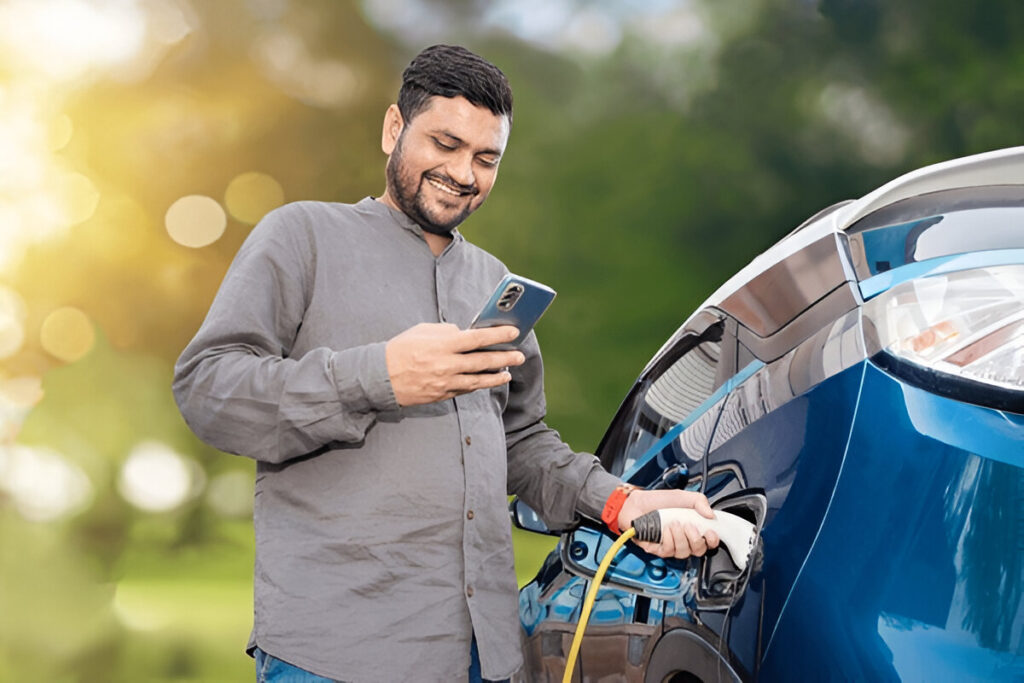
Electric vehicles have steadily moved from curiosity to consideration, with majority early concerns around Charging, Range, and Reliability largely addressed by OEMs. Vehicle Sales have been on the rise, month-on-month, driven primarily by Metros and Tier-1 cities.
At the same time, an increasing number of urban consumers are warming up to the idea of choosing EV as their next car.
The appeal is clear: lower running costs per kilometer, zero tailpipe emissions, and the satisfaction of making a responsible, environmentally conscious choice
That leaves just one big question: should you lease an EV or buy one?
Both options offer distinct advantages. In this blog, we’ll try to decode the key aspects of EV leasing versus EV buying for Indian drivers, exploring the financial, practical, and lifestyle factors involved.
Whether you’re considering an electric car lease or investing in full ownership through traditional financing / car loans from Banks and NBFCs., understanding these options could help you make a confident, future-ready decision.
Understanding EV Leasing: How does EV leasing work in India
Leasing an EV means using the vehicle for a fixed period, usually between two to five years, in exchange for a monthly fee. At the end of the term, you can return the vehicle, renew the lease, or, in some cases, buy the car at a residual value.
In India, EV leasing is steadily gaining acceptance beyond corporate fleets and into personal mobility. Several Financial Institutions now offer flexible lease models with distinct inclusions, tenure and downpayment options with add-ons like insurance, maintenance, and servicing often bundled into a single predictable monthly payment.
This ease of use is especially valuable in a category like EVs, where technology is rapidly evolving and resale values are still maturing.
Broadly, EV leasing models can be categorized into:
- Operating lease, where the lessor retains ownership and the lessee pays for usage.
- Finance lease, which is closer to hire purchase, with an option to own at the end.
Let’s look at the pros and cons of leasing electric vehicles in India.
EV Leasing Benefits
Lower Upfront Costs
Leasing significantly lowers the barrier to entry. Most leasing models either waive-off the down payment or keep it minimal as compared to conventional vehicle financing, making it easier for customers or drivers to access an EV without a large one-time expense.
For many first-time EV users or urban professionals, this reduced initial outlay is a strong motivator to choose leasing over traditional buying.
Predictable Monthly Expenses
A standout advantage of EV leasing is cost predictability. Monthly lease payments are fixed and often include bundled services like insurance, routine maintenance, and roadside assistance.
This not only helps in terms of budgeting or financial planning but also reduces the anxiety that many first-time EV buyers have around unanticipated repair costs or battery degradation over time.
Flexibility to Upgrade
Leasing also offers a way to stay abreast with the fast-moving EV landscape. With EV technology fast evolving, from higher battery Ranges and Charging Times to smarter Infotainment, leasing gives users the option to switch models every few years without worrying about resale value.
Whether it’s a facelift of the same vehicle model or an entirely different generation, leasing makes it easier to stay up to date.
Minimal Long-Term Risk
And then there’s simplicity. For city dwellers or working professionals, leasing eliminates the administrative load of managing registrations, insurance renewals, or resale negotiations.
It makes the experience of driving an electric vehicle hassle-free, even if you’re not yet ready to make a long-term commitment.
Battery life, Resale value, and future market demand are still evolving areas for EVs in India. Leasing shields you from these unknowns. Since you’re not the long-term owner, concerns about depreciation or battery degradation fall on the leasing provider, not on you.
In Closing: EV leasing vs EV buying
Both leasing and buying move you in the same direction, towards a quieter, cleaner, lower-emission future. But the road you choose will shape your experience of getting there.
Leasing is for those who prefer lightness, fewer strings attached, fewer risks and fewer responsibilities. It’s mobility on demand, with boundaries that suit short- to mid-term needs. Buying is for those who prefer depth, to commit, to own, to settle into the rhythm of a vehicle over time. It asks for more upfront but pays off in long-term value and autonomy.
There’s no universal right answer. Only the one that fits where you are, and how you move through the world. And whichever route you take, you’re helping move India towards a cleaner, smarter, and more sustainable tomorrow.
So, consider your patterns. Weigh your plans. And whether you choose to lease or buy, take that step. Because every EV on the road is part of a bigger shift, and it starts with the decision in front of you.
Leave a Reply