Category: Electric Vehicle

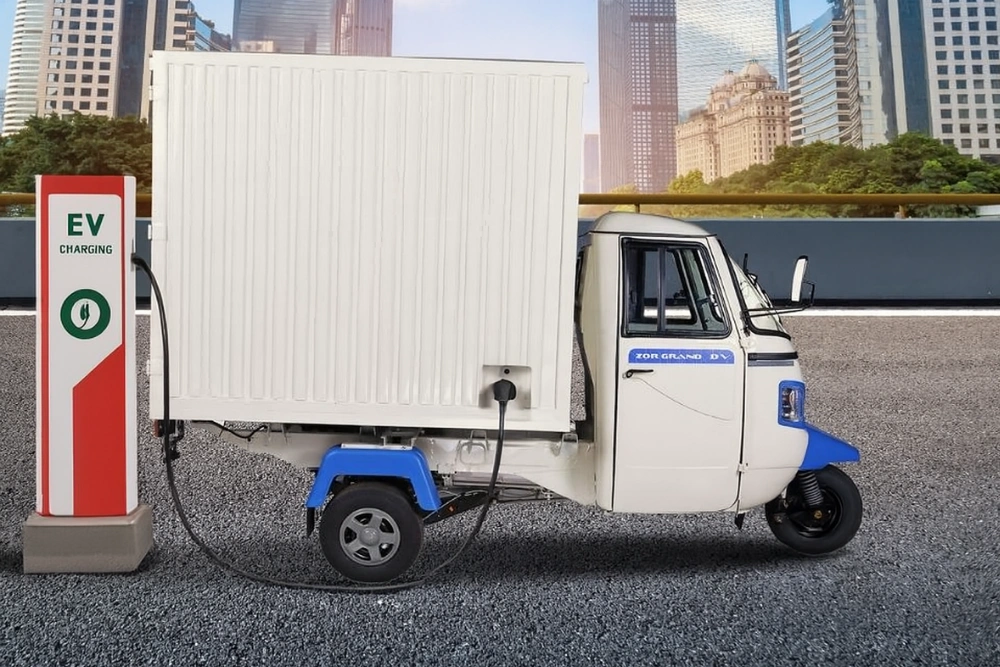
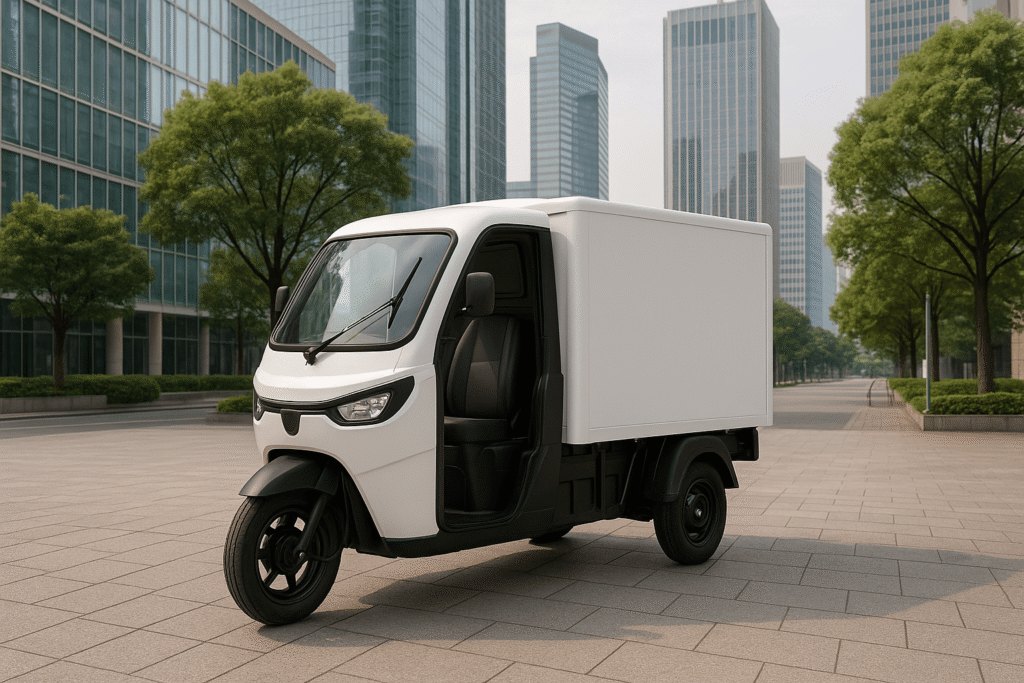
  • Three Wheeler EV Leasing: A Smart Option for Micromobility Businesses

    In the rapidly evolving world of urban transport, three-wheeler EV leasing has emerged as one of the smartest choices for micromobility businesses. By combining the advantages of EV leasing with the efficiency of a three-wheeler EV, companies can lower costs, reduce risks, and scale their fleets with ease. 

    For businesses engaged in last-mile delivery, ride-sharing, or goods movement, leasing offers a way to adopt clean and affordable mobility solutions without heavy upfront investment.

    This blog explores why leasing a three-wheeler EV is a game-changer, how it works, the benefits for businesses, real-world examples, and the role of companies like Alt-Mobility in shaping the future of electric mobility.

    The Market Context: Why Three-Wheeler EVs Matter?

    India has become the global leader in electric three-wheeler adoption. According to the International Energy Agency, sales of three-wheeler EVs crossed 700,000 units in 2024, marking a 20% rise from the previous year. 

    The reasons for this surge are clear. The operating cost of an electric three-wheeler is nearly five to six times lower than its internal combustion counterpart. Studies show that drivers save ₹250–₹300 daily by switching to an EV, thanks to drastically reduced fuel and maintenance expenses. 

    Add to this the strong government push, from incentives under FAME II to state-level tax exemptions and subsidies, and it is no surprise that businesses are looking at electric vehicle leases as a practical route to adoption.

    What is Three Wheeler EV Leasing?

    At its core, three-wheeler EV leasing is a flexible financing model that allows businesses or drivers to use electric three-wheelers for a fixed monthly rental instead of purchasing them outright.

    Here’s how it works:

    • Businesses sign a leasing contract with a provider such as Alt-Mobility.
    • The monthly rental covers not just the use of the vehicle but often also insurance, registration, and maintenance.
    • Leasing terms are flexible, ranging from 12 months to several years, allowing operators to scale their fleet as demand grows.
    • At the end of the lease, companies may return the vehicle, upgrade to a newer model, or extend the agreement.

    This model removes the burden of large upfront capital investment and shifts ownership risks to the leasing company.

    Key Benefits of EV Leasing for Micromobility

    Financial Efficiency

    Leasing transforms capital expenditure (CAPEX) into predictable operating expenditure (OPEX). Businesses can conserve cash flow, avoid large loans, and still expand their fleet quickly.

    Reduced Risk and Maintenance Costs

    Since the lease package often includes insurance and maintenance, the risks of vehicle breakdowns and unexpected expenses are minimized. Businesses can focus on operations instead of worrying about servicing.

    Access to the Latest Technology

    Through EV leasing, operators always have access to the latest three-wheeler EV models, ensuring better efficiency, safety, and reliability. Leasing contracts make it easy to upgrade without a long-term commitment.

    Scalability and Flexibility

    Micromobility businesses often face fluctuating demand. Leasing makes it easy to scale fleets up or down based on requirements, avoiding idle assets and unnecessary costs.

    Sustainability and Branding Advantage

    Switching to electric vehicle leases strengthens a company’s sustainability credentials. Consumers increasingly prefer businesses that operate green fleets, and adopting leased EVs is a practical way to align with this demand.

    How Alt-Mobility is Transforming EV Leasing?

    As one of India’s pioneers in sustainable fleet solutions, Alt-Mobility plays a key role in enabling businesses to transition smoothly to electric mobility. Their offerings go beyond just electric vehicle leases. With Alt-Mobility, clients benefit from:

    • All-inclusive leasing packages covering registration, insurance, and maintenance
    • FleetOS platform for real-time tracking, predictive maintenance, and data analytics
    • 24/7 support ensuring maximum uptime for fleet operators
    • Pan-India presence allows businesses to scale seamlessly across geographies
    • Quick onboarding process that delivers vehicles in just a few steps

    By combining leasing with technology and service, Alt-Mobility ensures that businesses unlock not just cost savings but also operational efficiency and long-term sustainability.

    Policy Support and Government Incentives

    India’s push for EV adoption is strongly backed by government policies. The FAME II scheme, state EV policies, and Production Linked Incentive (PLI) programs offer subsidies, tax waivers, and benefits for electric vehicles. For instance: 

    • States like Telangana and Uttar Pradesh provide tax exemptions, reduced registration fees, and direct subsidies on electric three-wheelers.
    • Financing models are being promoted under public-private partnerships to accelerate EV leasing adoption.
    • Several states encourage leasing programs specifically for last-mile delivery operators and gig workers, helping them overcome the upfront cost barrier.

    These policies make three-wheeler EV leasing an even more compelling option for micromobility businesses.

    The Road Ahead: From Adoption to Action

    The future of mobility is not just about adopting EVs; it is about creating smarter, more sustainable systems that deliver real impact. Leasing models will play a critical role in this transformation by bridging the gap between affordability and accessibility.

    For micromobility businesses, success will depend on choosing reliable partners, leveraging EV leasing, and integrating smart fleet management systems. Those who act early will capture market share, reduce costs, and build stronger customer loyalty.

    Conclusion

    The case for three-wheeler EV leasing is clear: it reduces financial barriers, offers flexibility, ensures access to the latest technology, and aligns businesses with sustainability goals. Through affordable leasing models like integrated solutions from Alt-Mobility, micromobility operators now have a practical pathway to electrification.

    In a market where efficiency and agility define success, EV leasing isn’t just an option; it is the smarter way forward. For businesses looking to scale sustainably, an electric car lease or electric vehicle lease tailored to three-wheelers is the key to unlocking competitive advantage in the new era of mobility.

  • How to Choose the Right Car Leasing Company in India for 2025

    Car ownership in India is no longer the only path to mobility. With rising costs, fast-changing vehicle technology, and the growing adoption of electric vehicles (EVs), leasing has become a practical alternative for both individuals and businesses. By 2025, the appeal of leasing lies in its promise of flexibility, predictable costs, and hassle-free usage.

    Choosing the best car leasing company in India is about more than finding the lowest monthly rental. It requires evaluating the provider’s fleet range, transparency, flexibility, service quality, and EV readiness. 

    In this blog, we’ll cover why car leasing is growing in India, the role of EVs in shaping this shift, the key factors to consider when selecting a vehicle leasing company in India, and how to compare the best car leasing companies in India.

    Why Car Leasing is Growing in India & the Role of EVs

    Car leasing is gaining momentum in India because it directly addresses both financial and lifestyle needs. For individuals, leasing avoids the high upfront cost of buying, eliminates the hassle of resale, and provides predictable monthly expenses. Packages often include insurance, maintenance, and roadside assistance, making mobility as seamless as a subscription service.

    A major driver of leasing growth in 2025 is the rise of electric vehicles. With government incentives, improved charging infrastructure, and lower running costs, EVs are becoming more attractive to Indian consumers. However, the relatively high purchase price of EVs still acts as a barrier. Here, EV leasing companies in India bridge the gap, giving users access to EVs without large upfront commitments.

    For businesses, leasing supports employee mobility without locking capital into depreciating assets. It also allows companies to manage predictable monthly budgets and enjoy tax efficiencies, all while ensuring their teams have access to well-maintained vehicles.

    Overall, leasing growth in India is about more than affordability. It represents a shift toward flexibility, sustainability, and future-proof mobility, aligning with the way consumers are rethinking transportation.

    Key Factors to Consider When Choosing a Car Leasing Company in India

    Fleet Range & EV Options

    A good car leasing company should offer a wide range of vehicles. Look for diversity in fleet options, from hatchbacks and sedans to SUVs, as well as a growing selection of EVs. The demand for electric mobility is only set to rise, and the best car leasing companies in India are those already expanding their EV portfolios.  A limited fleet can restrict your choices as your needs evolve.

    Pricing Models & Transparency

    Transparent pricing is critical. Monthly lease rentals usually include depreciation, interest, insurance, and services, but hidden charges can increase costs. A reliable provider should clearly outline what is covered and provide flexibility in structuring contracts. Comparing different car leasing services based on transparency helps ensure you don’t face surprises later. The best car leasing company is not always the cheapest; it’s the one that delivers consistent value without surprises.

    Lease Flexibility & Customization

    Every user’s lease requirements are different. Some individuals may require a short-term arrangement, while businesses may want the option to scale up or down as teams change. The best car leasing company in India offers customizable contracts, options to swap or upgrade vehicles, and terms that adapt to user needs. Providers that lock you into rigid contracts limit the very flexibility leasing is meant to provide.

    Maintenance & Support Services

    Bundled insurance, routine maintenance, and roadside assistance should be part of the package. The value of after-sales support cannot be overstated; it’s what separates average providers from the best car leasing companies in India. Before choosing, check whether the company provides nationwide service coverage and quick response times.

    Technology & Digital Experience

    In 2025, technology is a major differentiator. Leading vehicle leasing companies in India now provide app-based booking, digital payments, and real-time vehicle health monitoring. A seamless digital experience makes leasing not only convenient but also more reliable, since users can track servicing and billing with ease.

    Reputation, Reviews, and Network

    Finally, reputation matters. A car leasing company in India with a strong track record, positive reviews, and nationwide presence is more likely to provide consistent service. Corporate tie-ups and long-standing client relationships are signals of credibility. Look for feedback from both individual and business users before committing. Providers with a strong brand reputation signal that they will stand by you throughout the lease period.

    Comparing the Best Car Leasing Companies in India

    The Indian market now has multiple players offering leasing solutions, but they don’t all compete on the same strengths. 

    Here’s how the best car leasing companies often differentiate themselves:

    1. Affordability vs. Premium Service

    Some companies focus heavily on affordability, attracting individuals with low monthly rentals and basic maintenance packages. These are often ideal for first-time leaders who want a hassle-free entry into the model. On the other end of the spectrum are premium providers, who position themselves with wide EV fleets, flexible upgrades, and white-glove support, better suited for corporates or users willing to pay for convenience.

    2. Traditional vs. EV-Focused Models

    Legacy vehicle leasing companies in India often offer a wider range of conventional cars, giving users variety at scale. In contrast, EV leasing companies in India differentiate with charging infrastructure partnerships, tax benefits, and green branding. The trade-off: legacy firms win on breadth and availability, while EV specialists appeal to eco-conscious drivers or corporates aiming for sustainability targets. EV leasing is a strong choice for users ready to transition to electric mobility.

    3. Digital-First vs. Legacy Experience

    As highlighted earlier, leasing firms provide end-to-end digital experiences, online booking, app-based billing, and easy upgrades, making the process faster and more transparent. Older providers with paper-based processes may seem slower, but they often offer stronger offline support and relationship management. For tech-savvy individuals and businesses that value speed and visibility, a digital-first provider stands out. For the traditional users, the human touch still carries weight.

    4. Established Reputation vs. New Entrants

    Long-standing vehicle leasing companies in India often win on trust, nationwide networks, and corporate tie-ups. However, newer entrants bring innovation, such as short-term EV subscriptions or unique flexibility models, appealing to users seeking something beyond the conventional. 

    The user impact is reliability and coverage vs. flexibility and novelty. If stability and nationwide reach matter, the veterans lead. If experimentation and flexibility are your priority, the challengers bring fresh value.

    Ultimately, the best car leasing company in India is not a one-size-fits-all choice. If you’re an individual driver prioritizing affordability and ease, you may value pricing and digital convenience most. If you’re a business scaling fast, you’ll look more closely at fleet variety, service coverage, and EV readiness. 

    Comparing providers across these dimensions ensures you select a company that aligns with your financial goals and mobility priorities.

    Conclusion

    Car leasing in India has matured into a smart mobility solution, balancing financial efficiency, convenience, and sustainability. In 2025, it is especially relevant for those who value flexibility over ownership and want access to the latest vehicles without long-term commitment.

    Selecting the best car leasing company in India comes down to careful evaluation: fleet diversity, transparent pricing, flexible contracts, service quality, and EV-readiness. A provider that aligns with your needs will not only simplify mobility today but also keep you ready for tomorrow’s evolving transport landscape.

  • EV Leasing vs. Buying: Which Option Fits Indian Drivers Best?

    Electric vehicles have steadily moved from curiosity to consideration, with majority early concerns around Charging, Range, and Reliability largely addressed by OEMs. Vehicle Sales have been on the rise, month-on-month, driven primarily by Metros and Tier-1 cities.

    At the same time, an increasing number of urban consumers are warming up to the idea of choosing EV as their next car.

    The appeal is clear: lower running costs per kilometer, zero tailpipe emissions, and the satisfaction of making a responsible, environmentally conscious choice

    That leaves just one big question: should you lease an EV or buy one?

    Both options offer distinct advantages. In this blog, we’ll try to decode the key aspects of EV leasing versus EV buying for Indian drivers, exploring the financial, practical, and lifestyle factors involved.

    Whether you’re considering an electric car lease or investing in full ownership through traditional financing / car loans from Banks and NBFCs., understanding these options could help you make a confident, future-ready decision.

    Understanding EV Leasing: How does EV leasing work in India

    Leasing an EV means using the vehicle for a fixed period, usually between two to five years, in exchange for a monthly fee. At the end of the term, you can return the vehicle, renew the lease, or, in some cases, buy the car at a residual value. 

    In India, EV leasing is steadily gaining acceptance beyond corporate fleets and into personal mobility. Several Financial Institutions now offer flexible lease models with distinct inclusions, tenure and downpayment options with add-ons like insurance, maintenance, and servicing often bundled into a single predictable monthly payment.

    This ease of use is especially valuable in a category like EVs, where technology is rapidly evolving and resale values are still maturing. 

    Broadly, EV leasing models can be categorized into:

    1. Operating lease, where the lessor retains ownership and the lessee pays for usage.
    2. Finance lease, which is closer to hire purchase, with an option to own at the end.

    Let’s look at the pros and cons of leasing electric vehicles in India.  

    EV Leasing Benefits

    Lower Upfront Costs

    Leasing significantly lowers the barrier to entry. Most leasing models either waive-off the down payment or keep it minimal as compared to conventional vehicle financing, making it easier for customers or drivers to access an EV without a large one-time expense.

    For many first-time EV users or urban professionals, this reduced initial outlay is a strong motivator to choose leasing over traditional buying.

    Predictable Monthly Expenses

    A standout advantage of EV leasing is cost predictability. Monthly lease payments are fixed and often include bundled services like insurance, routine maintenance, and roadside assistance.

    This not only helps in terms of budgeting or financial planning but also reduces the anxiety that many first-time EV buyers have around unanticipated repair costs or battery degradation over time.

    Flexibility to Upgrade

    Leasing also offers a way to stay abreast with the fast-moving EV landscape. With EV technology fast evolving, from higher battery Ranges and Charging Times to smarter Infotainment, leasing gives users the option to switch models every few years without worrying about resale value.

    Whether it’s a facelift of the same vehicle model or an entirely different generation, leasing makes it easier to stay up to date. 

    Minimal Long-Term Risk

    And then there’s simplicity. For city dwellers or working professionals, leasing eliminates the administrative load of managing registrations, insurance renewals, or resale negotiations.

    It makes the experience of driving an electric vehicle hassle-free, even if you’re not yet ready to make a long-term commitment.

    Battery life, Resale value, and future market demand are still evolving areas for EVs in India. Leasing shields you from these unknowns. Since you’re not the long-term owner, concerns about depreciation or battery degradation fall on the leasing provider, not on you.

    In Closing: EV leasing vs EV buying

    Both leasing and buying move you in the same direction, towards a quieter, cleaner, lower-emission future. But the road you choose will shape your experience of getting there.

    Leasing is for those who prefer lightness, fewer strings attached, fewer risks and fewer responsibilities. It’s mobility on demand, with boundaries that suit short- to mid-term needs. Buying is for those who prefer depth, to commit, to own, to settle into the rhythm of a vehicle over time. It asks for more upfront but pays off in long-term value and autonomy.

    There’s no universal right answer. Only the one that fits where you are, and how you move through the world. And whichever route you take, you’re helping move India towards a cleaner, smarter, and more sustainable tomorrow.

    So, consider your patterns. Weigh your plans. And whether you choose to lease or buy, take that step. Because every EV on the road is part of a bigger shift, and it starts with the decision in front of you.

  • EV Leasing for Employees: A Sustainable Step for Companies

    In the corporate ecosystem of 2025, sustainability is more than a buzzword. It is an imperative for businesses. As climate concerns rise across the globe, brands are increasingly becoming conscious of their carbon footprint. In fact, not just MNCs, but even Indian companies have also started setting ESG mandates and carbon emission reduction targets.  

    As State and Central Governments in India continue pushing for electrification, laying out a clear roadmap with segment-wise targets to be achieved by 2030, mid-to-large scale organizations are rethinking their logistics as well as transportation strategy, in terms of goods as well as people. 

    Being the fourth largest economy, and one of the fastest in terms of growth, India is witnessing a year-on-year surge in both blue and white collar workforce, across booming sectors like FMCG, Retail, eCommerce and ITeS. 

    These employees need to commute to and from the office via cars, buses, and other modes of transport. And the sheer impact of their commute on the environment adds up to reach damaging levels. And hence, the push for zero-emission vehicles or EVs that could help address the menace of not just vehicular pollution, but also bring down the transportation costs substantially due their positive TCO.   Traditionally, the high upfront cost of electric vehicles has been the biggest showstopper for  companies looking to electrify their fleets. But today, thanks to new-age financing models like EV Leasing, more and more businesses are embracing the shift from ICE to Electric fleets for their Employee Transportation Services (ETS).

    What is EV Leasing for Employees? 

    EV leasing for employees is a structured program where companies provide electric vehicles to their employees on a lease model instead of an outright purchase, either for daily commute or personal use. 

    This model is enabled through trusted and certified EV leasing companies like ALT Mobility, who not only help companies enhance workplace mobility but also assist them in positioning themselves as environmentally responsible entities.

    The model can be further classified into two distinct formats: 

    1. Corporate Commute Leasing: Companies lease a fleet of electric cars and buses that are used for employee transportation to and from the office. 
    2. Personal Use Leasing (Company Scheme): In this format, employees are given the option to lease electric vehicles under available company-facilitated plans. This format also comes with integrated maintenance packages, subsidized Lease Rentals, and long-term tax savings. 

    For companies looking to lower their carbon footprint while also offering modern employee benefits in keeping up with the times, this comes as the perfect opportunity.

    EV Leasing for Employee Commutes: Much-needed Transition 

    Given India’s pace of economic growth and the sheer size of its sectoral workforce, daily commuting for employees is understandably a big decision. Shuttles, cabs, and staff buses that run on fossil fuels are not only expensive but also environmentally unsustainable. 

    Hence, shifting to electric mobility can dramatically reduce both carbon emissions and operational costs for companies.

    Personal EV Leasing Schemes for Employees

    Apart from electric shuttles, buses and cabs for workplace commute, companies are also offering green mobility benefits to employees. And they’re doing this through personal EV leasing schemes, which offer employees the opportunity to lease Electric 2-wheelers and electric cars for personal use (at either subsidized or ‘zero’ upfront cost). 

    Why Does Personal EV Leasing Make Sense? 

    • Affordability or Ease of Access: Employees do not have to make high upfront payments, which is often the case when one goes for a conventional vehicle loan from traditional Banks or NBFCs.
    • Offers Tax Savings: EV leasing under company scheme can be a great Tax saving opportunity for employees. Although there are multiple factors involved here, employees typically can claim tiered tax exemptions against monthly lease rental, fuel costs, maintenance or service expenses and even vehicle insurance.  
    • Flexible Options: Based on factors like job level or seniority, tenure at the company, vehicle eligibility etc., EV leasing plans can be customized to suit individual needs. 
    • Employee Incentivisation: EV leasing can also work well as an employee perk or as a replacement for bonuses or car allowances.

    With the recent spike in the willingness to lead a sustainable lifestyle, EVs are an attractive option for those looking for environmentally friendly commuting options. 

    And when offered by the employer, it becomes an even more enticing option as employees reduce their fuel expenses and tax liabilities, all this while being responsible by choosing zero-emission vehicles for their daily commute.  

    What Role do EV Leasing Companies Play? 

    Implementing such a shift in your company’s operations requires niche expertise, and that’s where EV Leasing Companies like ALT Mobility come in. But how to pick the perfect EV leasing partner for your company? Here’s how. 

    What makes a good EV Leasing Partner? 

    • They offer a wide range of vehicles and brands to choose from – electric scooters, cars as well as Buses. 
    • They offer flexibility in terms of leasing tenure, maintenance plans, add-ons, and security deposits. 
    • Their plans operate on the full-service model, covering things like vehicle maintenance, battery health, insurance, part replacements, etc. 
    • They offer modern smart tech-integration features such as sustainability reporting, real-time vehicle tracking, usage data, and driver analytics etc. 

    EV Rentals for Temporary Needs 

    Not all mobility needs are permanent. From new joinee transportation to temporary project-based deployments or inter-city travel, EV rentals for employees can serve short-term requirements without long-term commitment.

    These rental EVs can be booked for days, weeks, or months, just like a subscription. Employees working on client sites, off-site manufacturing units, or project-based contracts can benefit from this flexible access. 

    It also allows companies to test adoption rates or check commercial viability before committing to full-fledged lease schemes.

    What about Charging Integration and Infrastructure Support? 

    Before investing in EV leasing schemes for employees, companies have a major concern. It is about infrastructure support, particularly charging integration. So, how does an EV leasing partner address this issue? By offering: 

    • Charging points at setups as per requirement, be it in the office, corporate sites, or employee residences. 
    • Tie-ups with leading CPOs (Charging Point Operators), which offer access to a robust charging infrastructure at all times. 
    • Home charger installation for personal leasing for employees. 
    • EV roaming partnerships that allow access to public charging networks or even preferential access and pricing.

    Sustainability in Focus

    In today’s corporate ecosystem, offering electric mobility solutions could be a strategic business decision. Companies that are opting for EV leasing for employee transportation are not just cutting costs or reducing carbon emissions, but they’re positioning themselves as progressive and responsible corporate citizens. 

    In short, opting for EV leasing solutions can help your company in: 

    • Aligning with global sustainability goals like the UNSDG-13, i.e., Climate Action. 
    • Demonstrating a clear and visible commitment to green and sustainability practices. 
    • Reducing employee transportation costs while also providing employees with access to the latest EV tech and tax-saving options. 
    • Leverage incentives or subsidies that are offered by the various States as well as the Central government for promoting clean mobility. 

    Drive Meaningful Change with ALT Mobility

    For forward-thinking companies, EV leasing for employee transportation is a tangible and a logical step forward. With tailored EV leasing solutions, robust service support, and a strong focus on data-driven efficiency, ALT Mobility is here to make this transition simple, seamless, and impactful. 

    So, if you’re a business leader looking to champion sustainable practices, today’s the time to drive change with electric vehicle leasing. Visit the ALT Mobility website today.